Immigrant barley, the American Prairie, and an artesian well all factor into flavor for this historic Chicago distillery
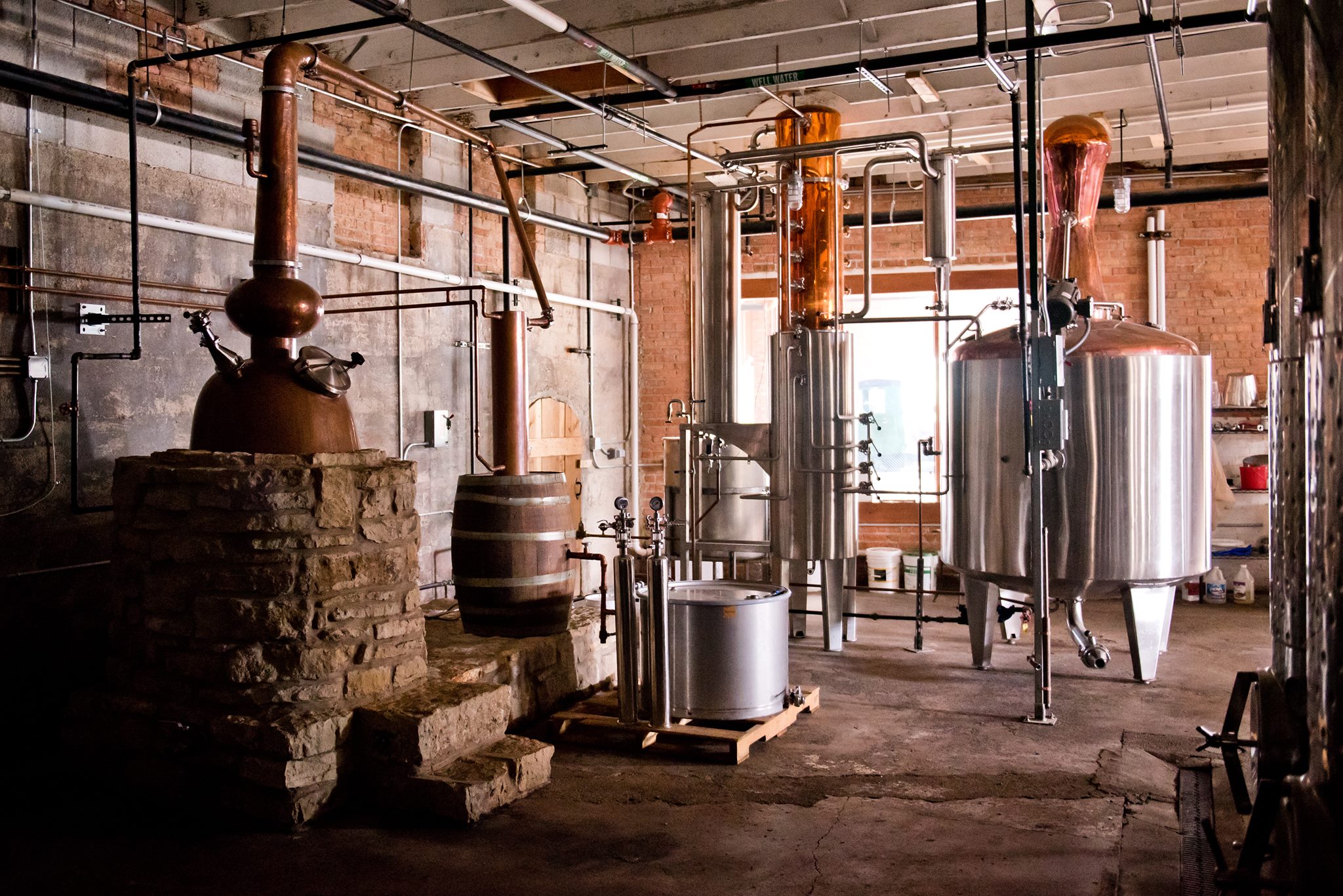
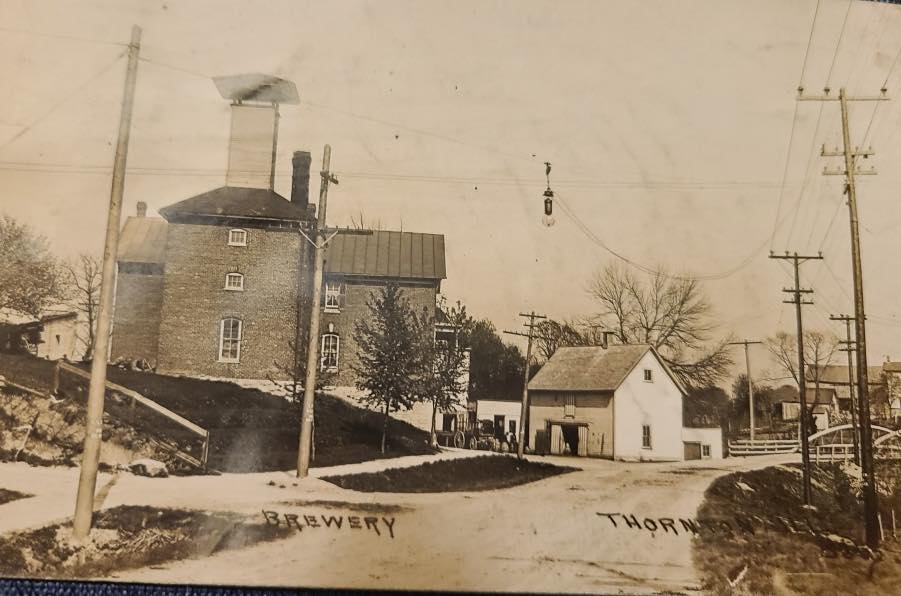
In the south suburbs of Chicago, Thornton Distilling Company is bringing history forward. A limestone-filtered artesian well that originally served the brewery that opened there in 1857, now contributes significantly to the character of the spirits they craft today. The malt used in the 1800s would have been locally made, from locally-grown grains—so to carry that tradition forward, Thornton exclusively uses Illinois and Indiana-grown grains, malted by Sugar Creek Malt in Lebanon, Indiana. The distillery has a lot to celebrate this month, as it releases its first batch of American Single Malt whiskeys, seven years in the making.
Thornton began as an idea in need of a home. While scouting locations for a distillery, Andrew (Andy) Howell met Jake Weiss, owner of the oldest standing brewery building in the Chicago area, established by German immigrant John Bielfeldt. They decided to combine efforts, and renovations on the building, which was built into the side of a hill, began in 2014.
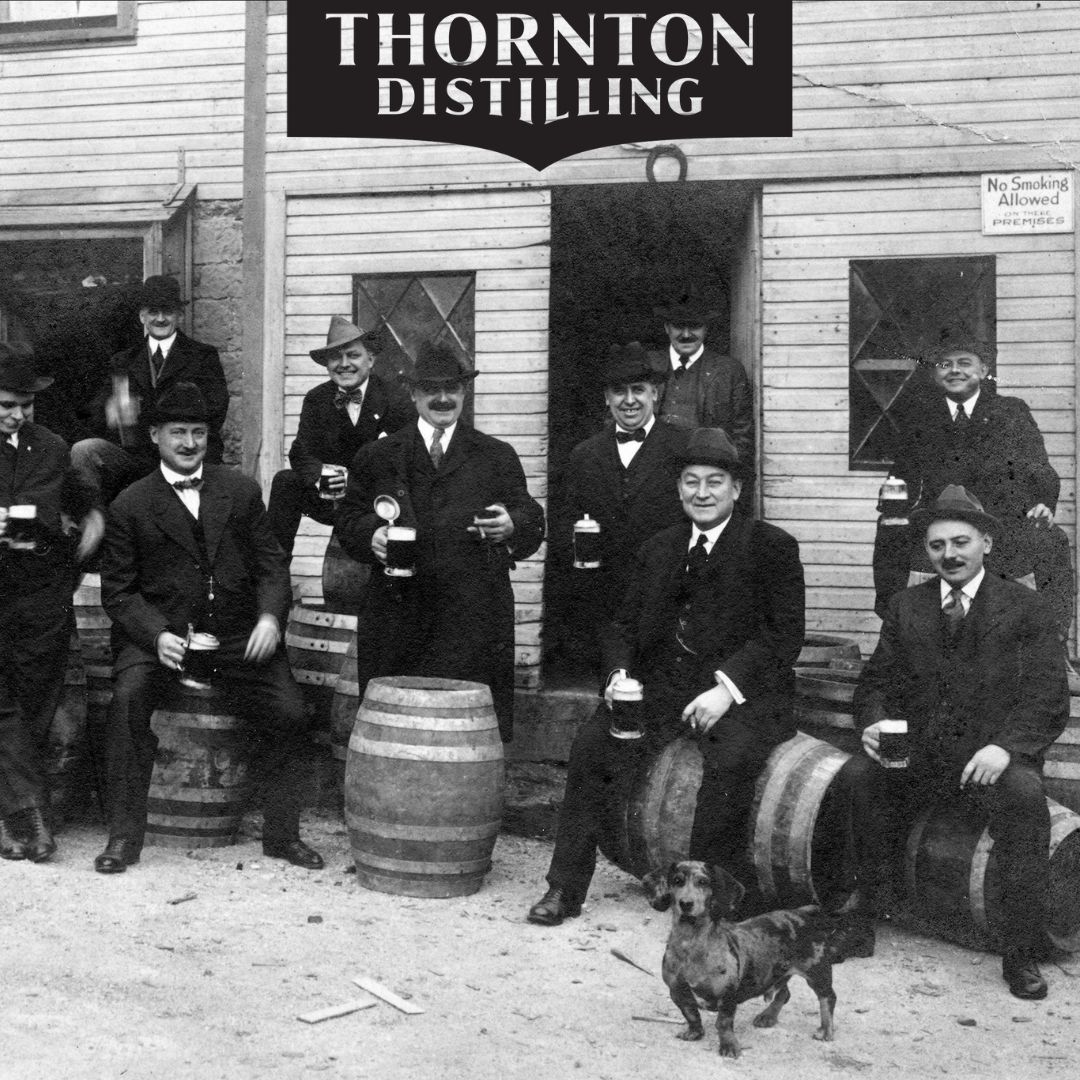
During the extensive rebuild, Andy and Jake found distiller Ari Klafter, who was then working at Privateer Rum near Boston. Ari was excited for the opportunity and willing to make the move to Chicago, especially because he could expand his work to the spirit he most loves.
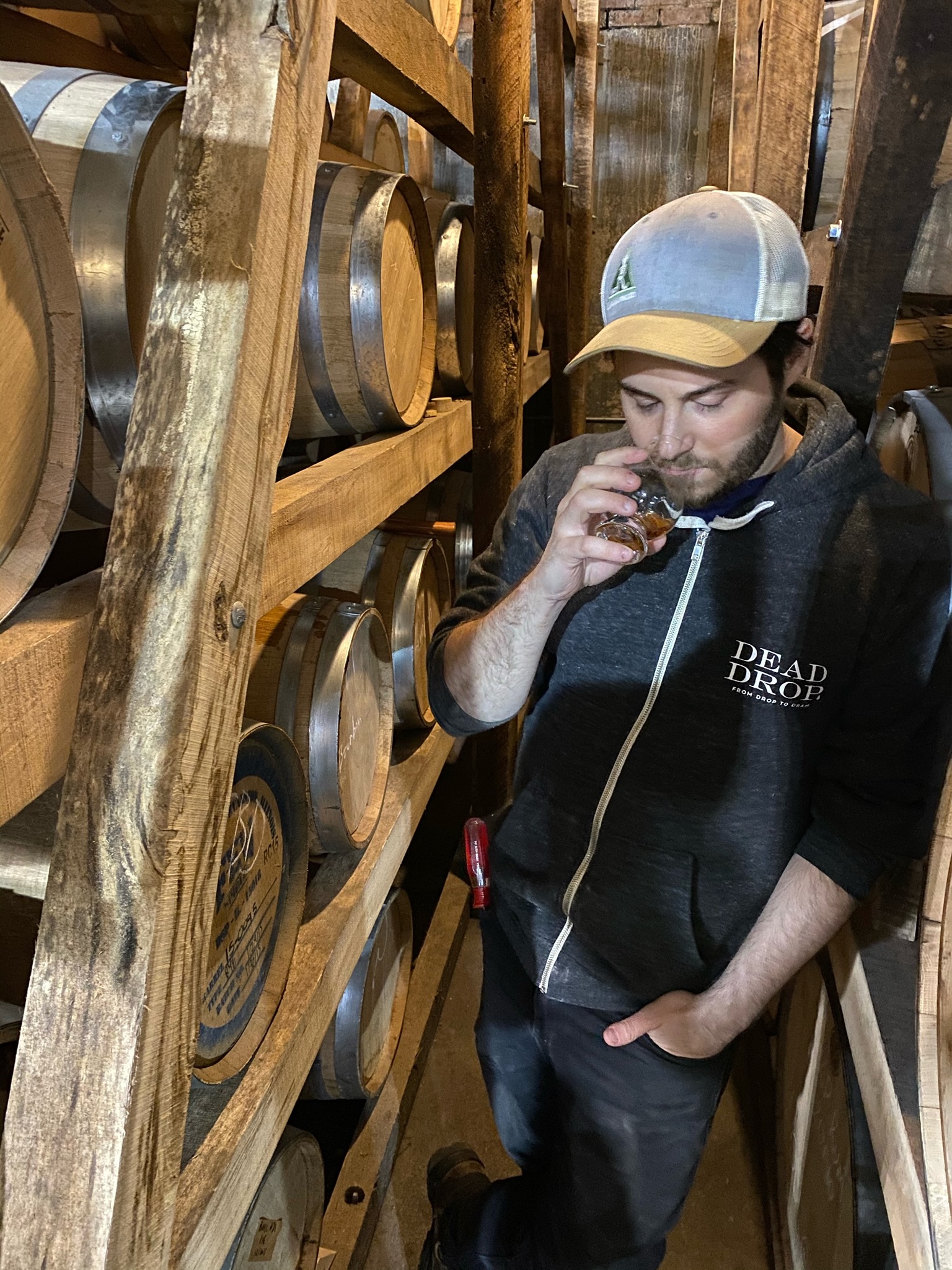
“Single malt whiskey is what I’m most passionate about,” Ari said.
This realization surfaced while he studied at the International Centre for Brewing and Distilling in Scotland. The master’s degree program covered craft and traditions, and was attended by a very international cohort. Carrying his learnings to Illinois, Ari began thinking about how local ingredients could inform the tastes of Midwest spirits, in particular, single malt whiskey.
“We set out with the goal of capturing flavors of the American Prairie,” said Ari. Before people started planting corn and soybeans, Ari said, “what we had here was wildflowers and prairie grass.”

Peat is made from such plant material, compressed over a thousand years. What would using it to smoke malt lend to the eventual flavor profile of a whiskey? Answering that took a long time.
Andy discovered a bog in Illinois near the distillery, but wasn’t able to access its peat. As he spent almost two years cross-referencing geological surveys and Farm Bureau maps, hunting for a collaborator, he soon realized why this was not a common pursuit. Finally, in 2019, he connected with a landowner in western Illinois who embraced the idea and even accepted rye whiskey as payment for the first peat harvest. That year, Andy and Ari drove out to banks of the Mississippi River and harvested the peat by hand, beginning a tradition that has continued ever since.

While awaiting the whiskey’s debut, Ari’s been distilling rum, vodka, gin, and other botanical spirits, as well as a Kosher for Passover gin and vodka, which have shorter production times. Dead Drop Spirits, a name that echoes a Prohibition era term, is what some of the distillations have been called. (And yes, the building has a serious Al Capone connection!)
The whiskey project began by tracking down a malthouse small enough to consider smoking malt with hand-dug peat. Most malt these days is made in massive facilities, but Sugar Creek Malt, which only uses grain grown in Indiana and Illinois, is the right scale for such a request. Ari was so pleased with their malt that he now sources malt exclusively from Sugar Creek; the relationship led to Thornton being the first Midwest distillery to be Craft Malt Certified by the Craft Maltsters Guild.

Having a maltster who follows their interests—as Caleb Michalke does with heritage barley varieties—aligns well with their focus.
“Thanks to their ingenuity, we've been able to do really interesting things, like being the first distillery to make whisky from their Edelweiss Malt, a pre—WWI Old World malted barley, related to the original Pilsner malt, that Sugar Creek singlehandedly revived right here in the Midwest,” said Ari.
Ari heard of AGC through a fellow distiller and was excited to work with peers in the regional grain field. “When we first started making our Midwestern single malts we didn't really have a network. Some days it felt like we were taking on a big task that others might not embrace, but AGC has given us a community that reminds us that what we're doing matters,” said Ari. He and the rest of Thornton—which includes a staff of 12, covering the restaurant and event venue—are glad to have a community of like-minded folks supporting and exploring regional grains.
Ari was a contributor to a new publication AGC is releasing this spring—The Midwest Craft Distillers Guide to Local Grain Sourcing, a resource designed to help more distillers champion grains with a taste of place. If you want a deep dive on the ways Ari fine-tunes the flavors in Dead Drop Spirits, check out his article in Spirits & Distilling magazine. AGC is lucky to have the curiosity and commitment of Thornton in our circuits, raising a glass with the help of farmers and maltsters.
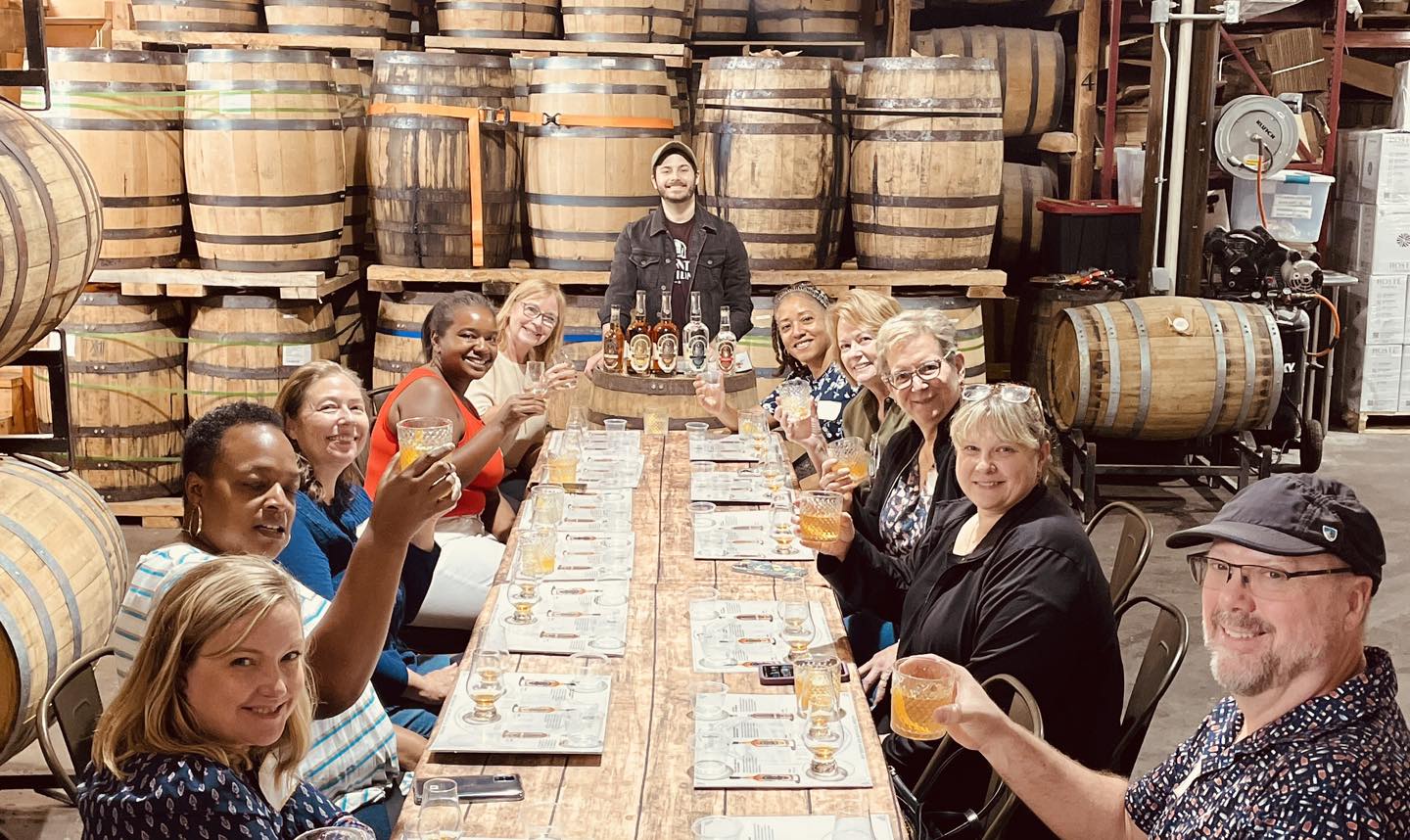
Thornton Distilling Co. is a great destination for a tasting and tour, a date night, or for special events.