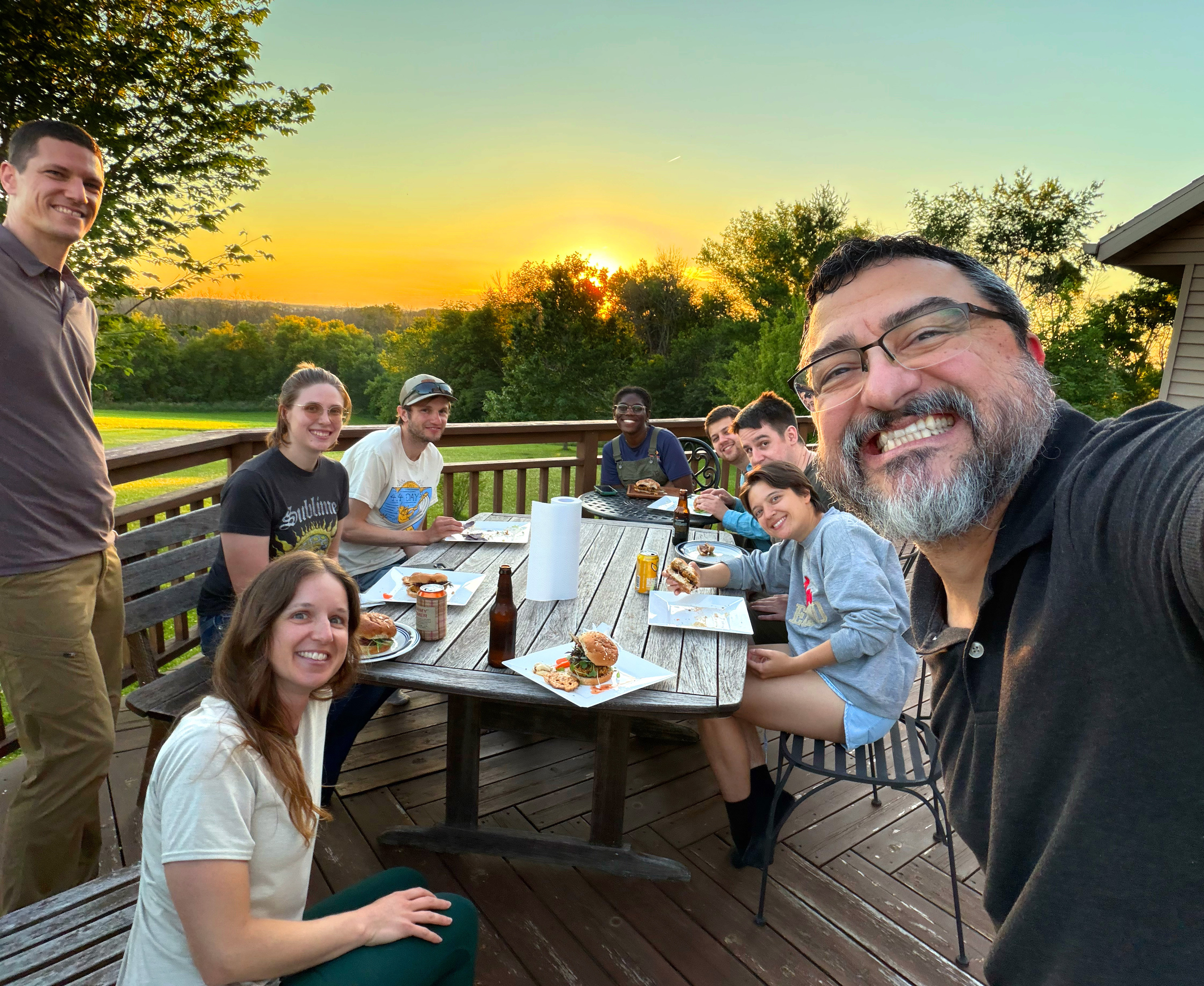
Wisconsin outreach program links farmers with information about organic cropping systems. Photo by Chas Conway
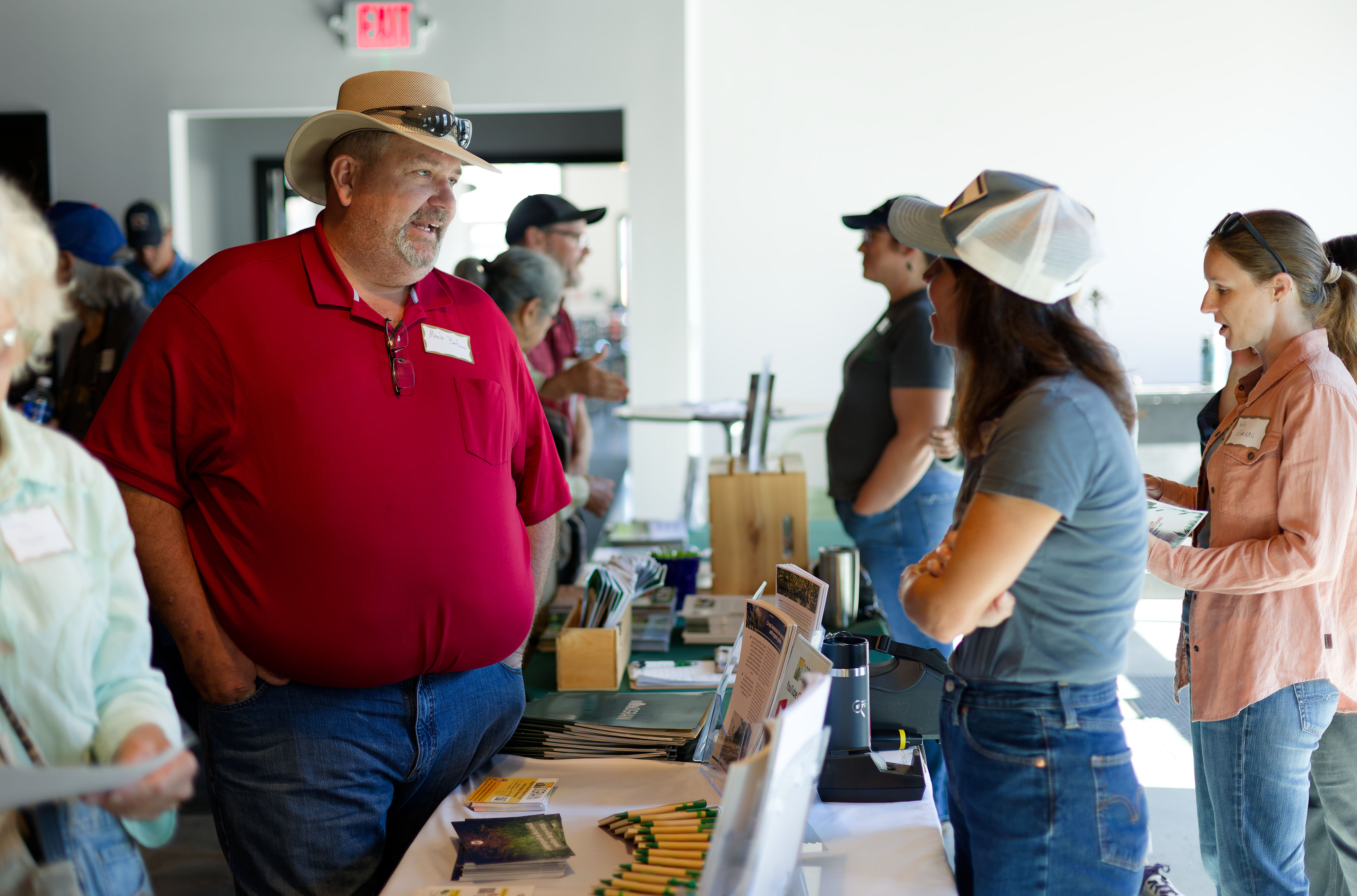
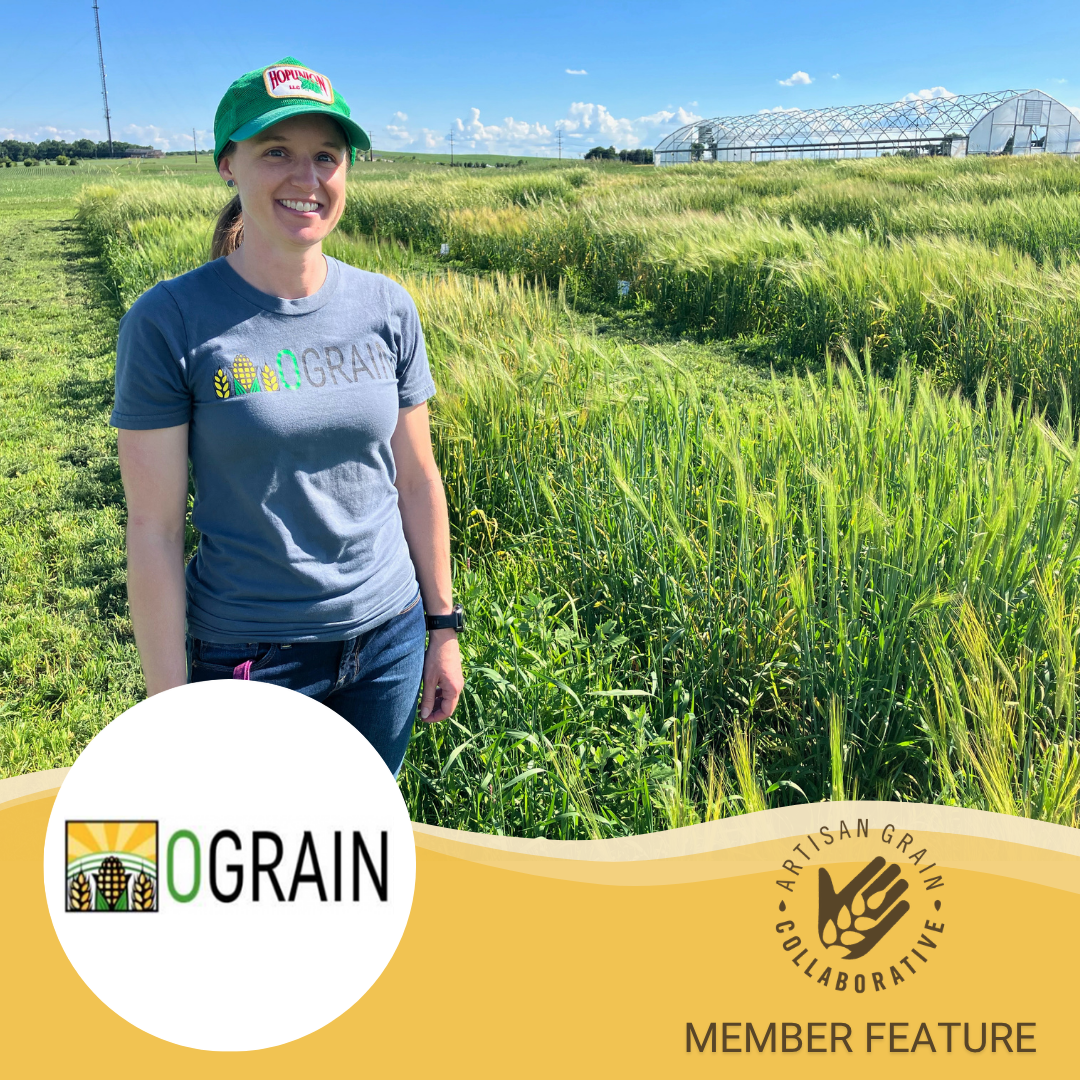
OGRAIN (Organic Grain Resource and Information Network) at the University of Wisconsin-Madison is an outreach program that links farmers with information, and each other.
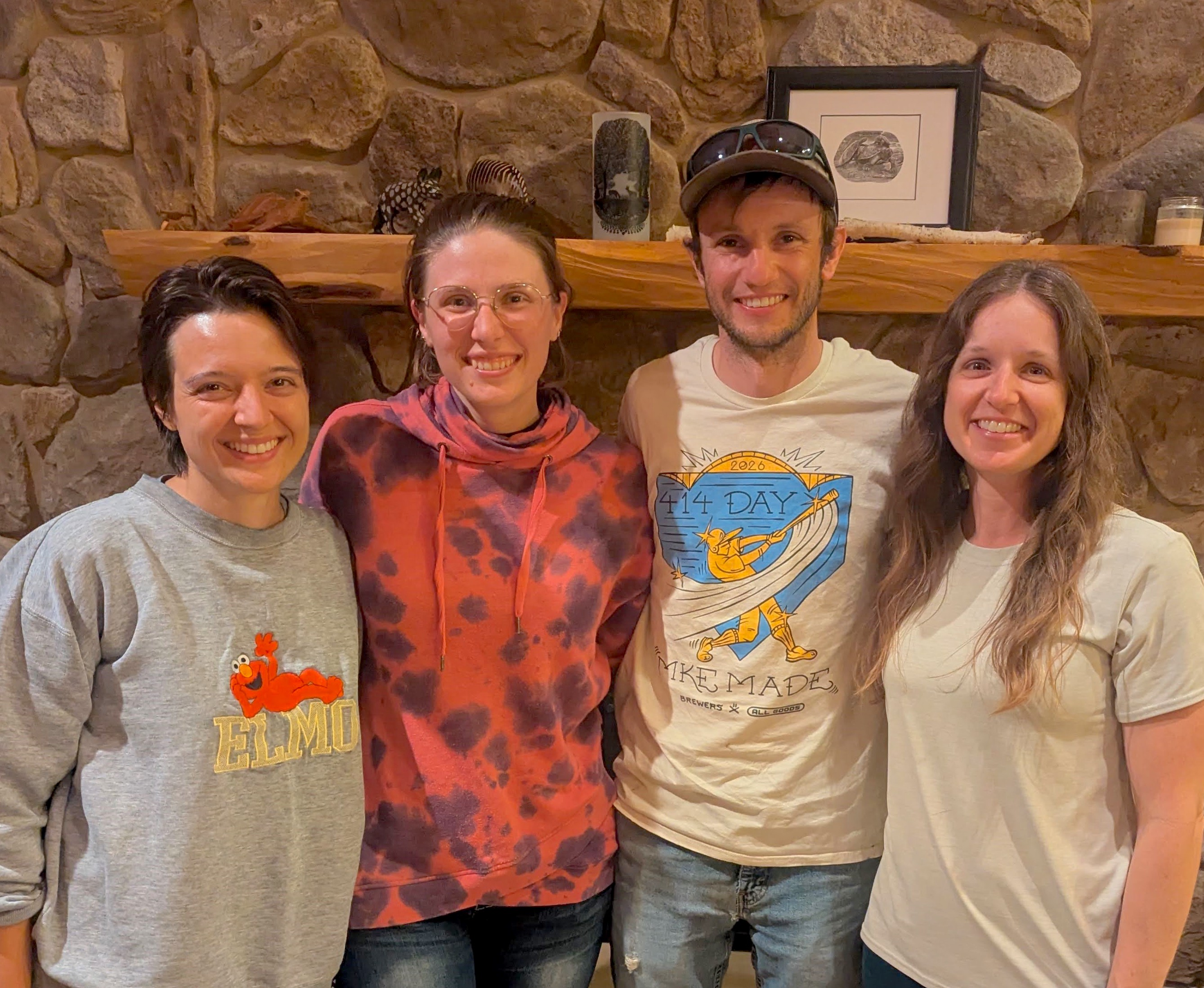
This initiative (like AGC!) is celebrating an important milestone: 10 years of work and service. Directed by Dr. Erin Silva, Professor of Organic and Sustainable Cropping Systems (pictured below), OGRAIN arose, in part, from observing a gap between the research the lab was conducting and the farmers it should serve: organic farmers needed a specific support system, and their own network.
“Even though Wisconsin has a higher number of organic farms than a lot of other states, often these farmers are in different areas from each other. They may feel isolated and surrounded by farmers that don't grow the same way as they do,” says Outreach Specialist Kelly Debbink.
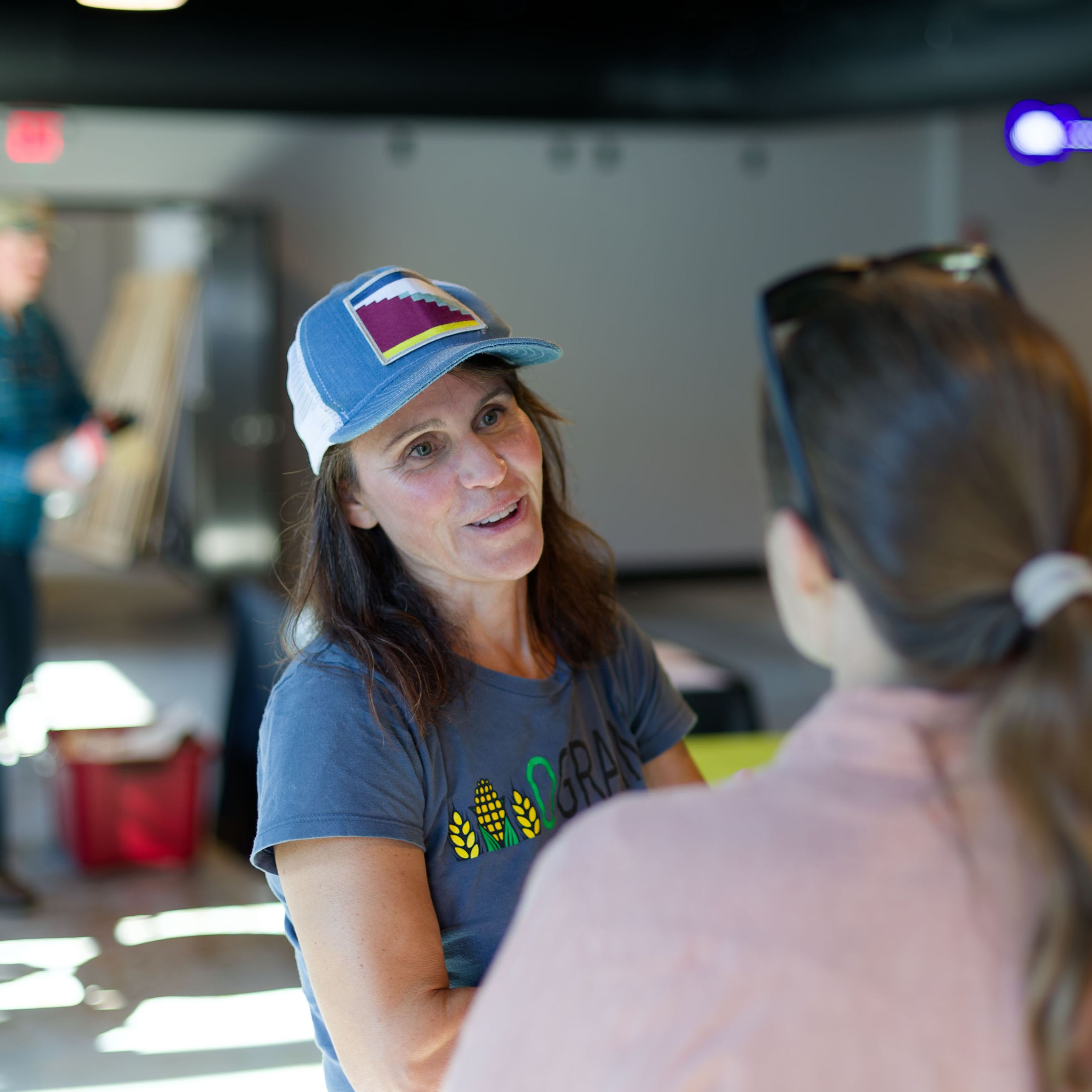
OGRAIN focuses on peer-to-peer learning and co-creation of local knowledge, and welcomes farmers with any level of experience or interest in organic production. Their annual Winter Conference in January features networking and two days of sessions, which are typically recorded and available for viewing.
“While our work is often focused on supporting organic farmers with successful production practices, we are well aware that finding markets is also a critical piece for farmers,” says Kelly, noting that AGC's work connecting grain chain end-users is vital in helping farmers thrive. “Plus, it’s pretty satisfying to see, eat, and drink these grains in local products!”
OGRAIN runs a lively email listserv and creates resources to support peer-to-peer learning. These include webinars and educational videos for farmers, like a recent video about looking for fusarium head blight in small grains, a fungal disease that can spoil grain crops for food-grade use.
Studying no-till approaches to corn and soybean production, and general issues in growing organic dry beans have been a few of the focus areas in the past several years, some as joint undertakings with Cornell and the Universities of Maine and Vermont, funded through USDA's Organic Research and Extension Initiative. Funding drives issues the lab explores, and teaming up with Northeast organic research serves that necessity, as well as establishing broad relationships and communities of practice. However, the primary driver of inquiry is feedback from farmers.
OGRAIN is in continuous survey mode, asking questions at all events.“We ask farmers pointed questions, and really open questions too, about what resources they think would be useful, what information we're lacking. We also try to be really available and open to farmers,” says Kelly.
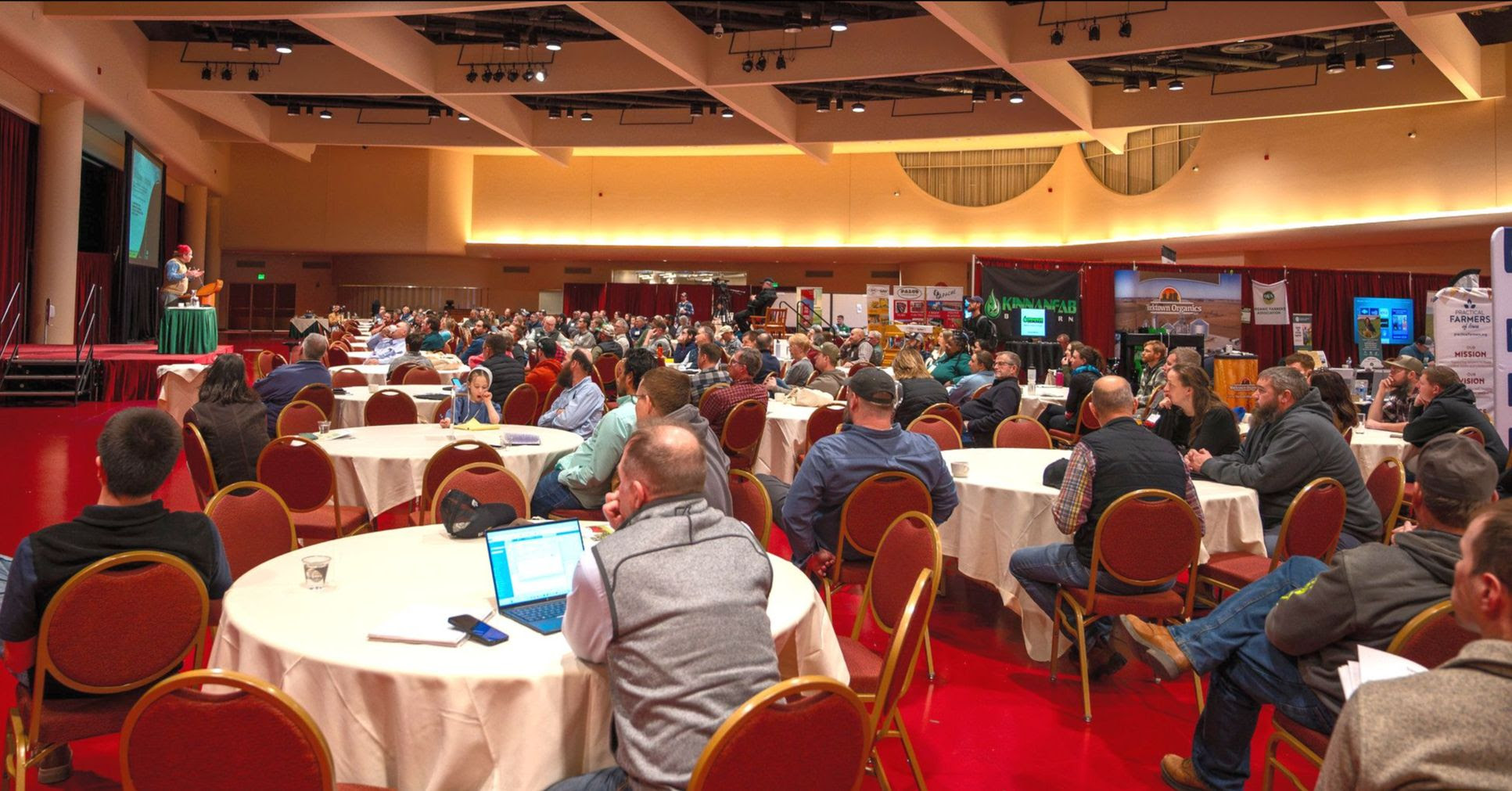
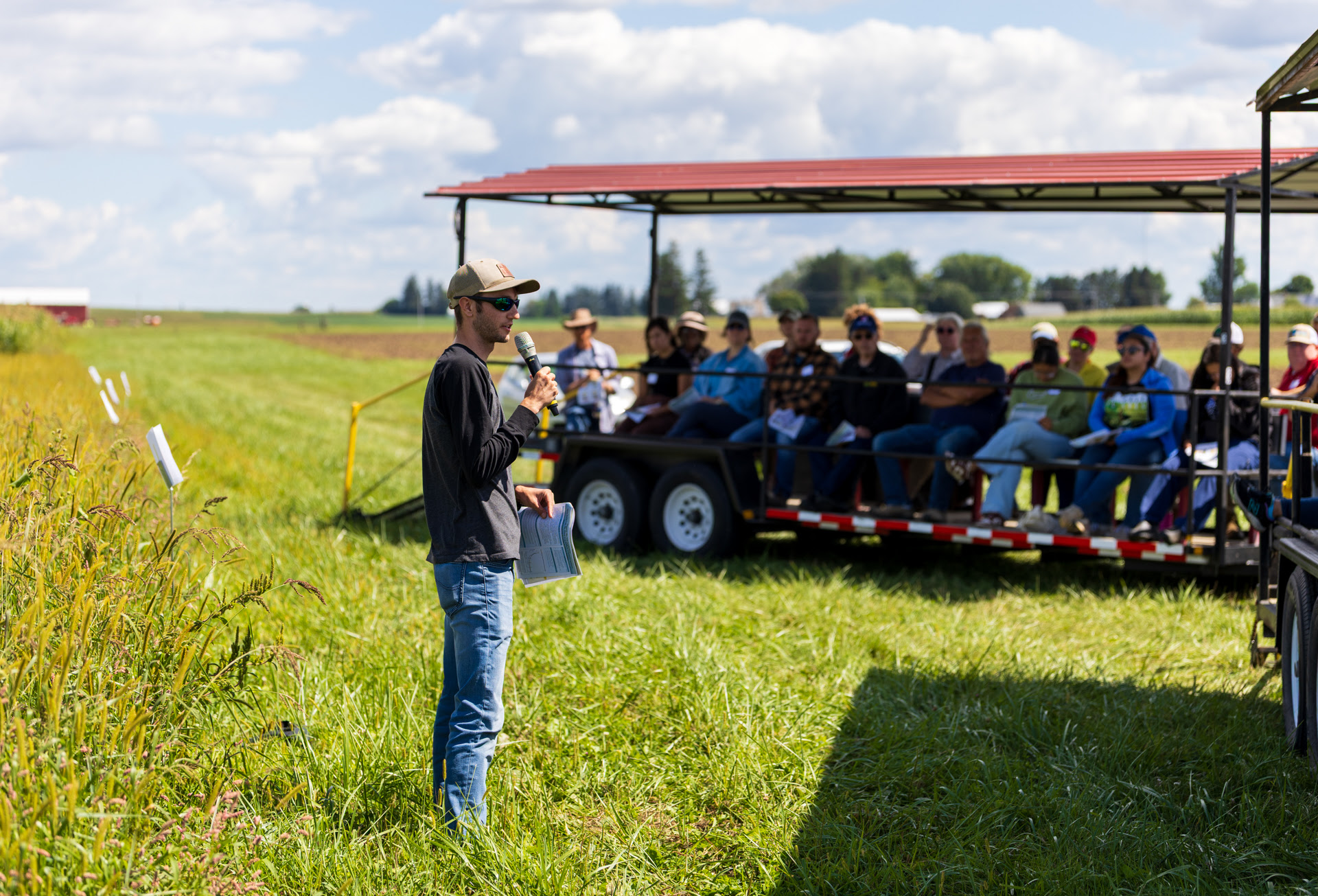
OGRAIN hosts and supports multiple field days each season, including an organic research field day every August at their Arlington, WI research station, showcasing work related to organic grain production that includes breeders, soil scientists, plant pathologists, and agronomists. On July 24th they’ll be in Paxton, IL at AGC members Cow Creek Organic Farm and Silver Tree Spirits for Seed to Spirit, a unique farmer-distiller event.
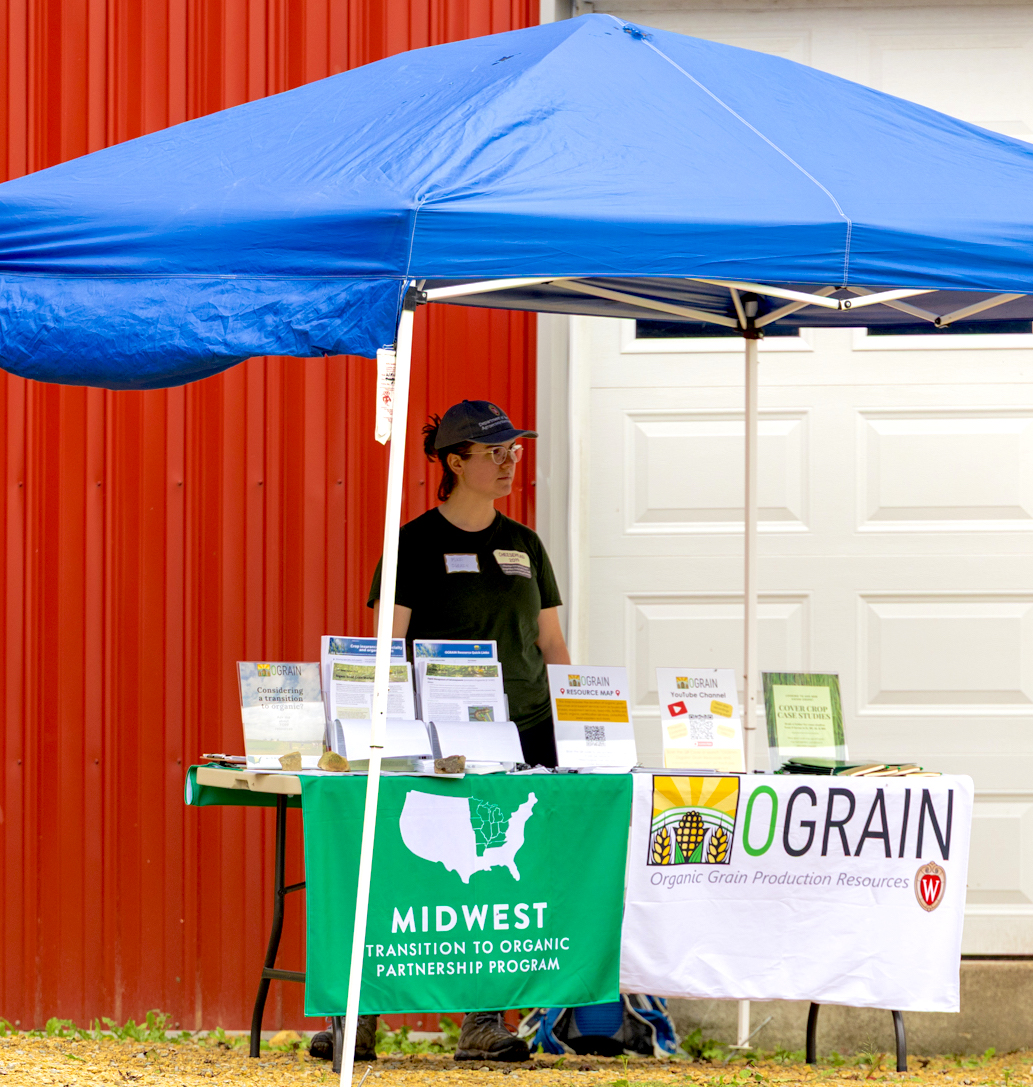
“We glean some great insights and information from farmers at events,” says Kelly, who is familiar with all sides of the research process, having focused on plant pathology with the Silva Lab during her master’s degree.
She and fellow outreach specialist Mikki Wilburn coordinate the OGRAIN Winter Conference and summer field days, and make educational materials. Ben Brockmueller and Cheyanne Mattie run Silva Lab research trials, with the help of three student interns over the summer. Mo Ondik leads collaborative on-farm research efforts.
Current projects include looking at how to integrate more cover crops and living cover into organic grain production systems for soil health benefits. Reducing tillage is an ongoing area of inquiry; since organic farmers don’t have access to most pesticides and herbicides to manage weeds and pests, tillage is their primary tool. Finding practical ways for organic farmers to manage pests and weeds while reducing the need to disturb the soil through tillage would create healthier organic systems.
“One of the fun things we're trying this year is an autonomous robot that mows cover crops between corn plants,” says Kelly. The clover cover crop helps compete with weeds and provides some fertility. The robot works similarly to robot vacuums and lawn mowers.
OGRAIN regularly connects and collaborates with other researchers and extension professionals on research, events, and resources, including through the UW Organic Collaborative. Professor Julie Dawson and the Seed to Kitchen Collaborative is an example, highlighting organic small grain breeding efforts at field days and conference sessions. The recent release of Bickford Hard Red Winter Wheat is a rare example of breeding specifically for Midwest organic farmers and high quality, food-grade markets.
People are at the center of OGRAIN's work, and their primary goal is steadfast: supporting sustainable livelihoods for regional organic grain farmers. To do so, Kelly says, they continuously look for ways to further build relationships between farmers, processors, buyers, service providers, researchers, and advocates. “Artisan Grain Collaborative has been a key partner to strengthen these networks,” says Kelly. AGC is grateful for their sturdy company in the work.