
Perennial farm in Iowa is saving soil and cleaning up the water while feeding their community
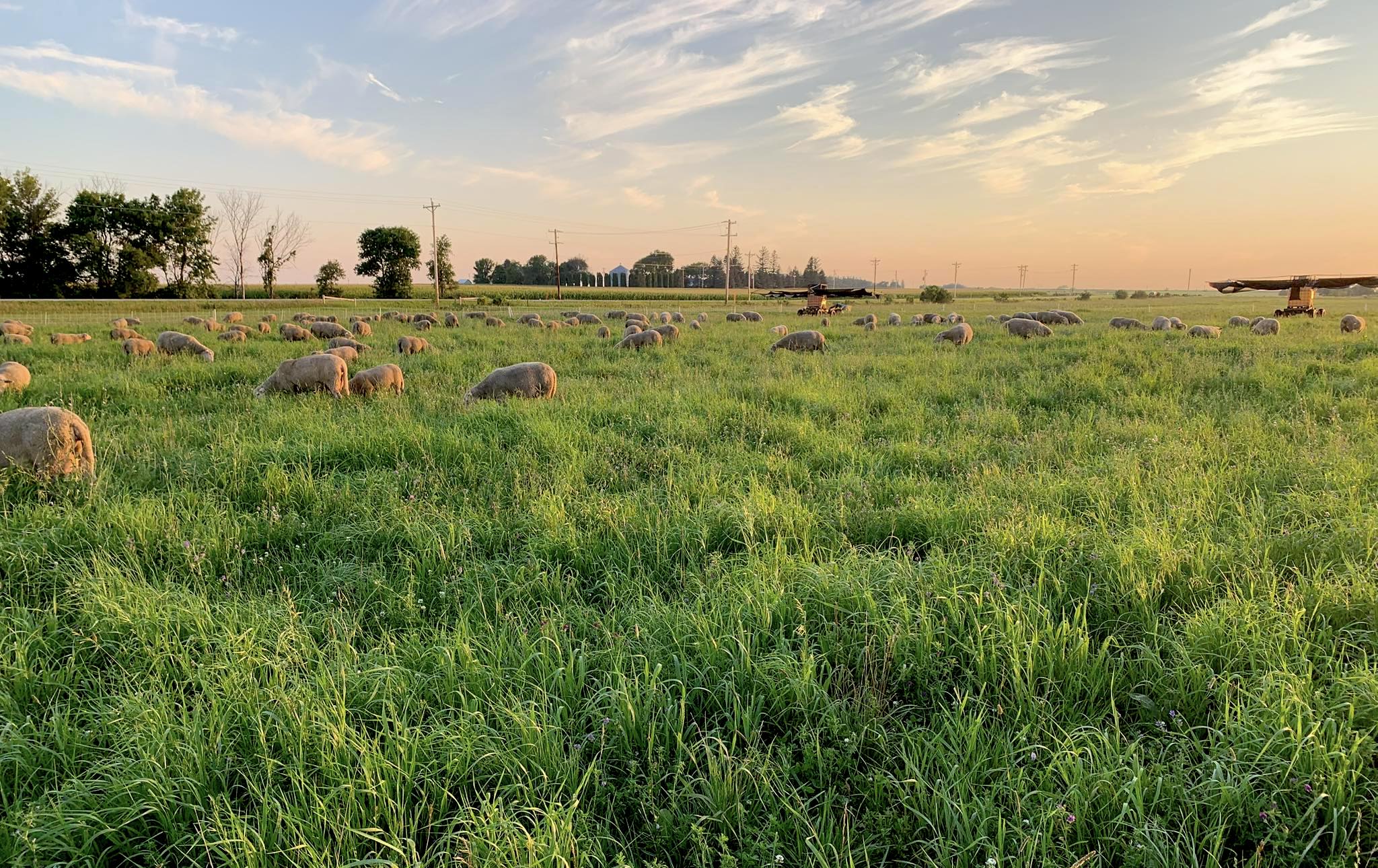
Jóia Food & Fiber Farm is a livestock and grain farm in Northeast Iowa. Owned and operated by Wendy Johnson and Johnny Rafkin, it is a place of change and experimentation with deep roots. The roots are familial for Wendy, and perennial in plant terms, as the couple build a farm with resilience front of mind.
The farm name comes from an expression Wendy heard when she lived in southern Brazil.
“Tudo bem? People would ask, and the answer was tudo jóia, which means all is like a jewel,” Wendy says. “I think of this land that my grandparents and parents farmed, and I consider it a jewel.”
This wasn’t always how she thought. Growing up during the farm crisis in the 80s, Wendy saw the harsh reality of collapsing farms. She left to go to college, and observed the consolidation of agriculture from afar, hearing how farms around Center View Farms, her family’s 1,100-acre operation, were disappearing into agribusiness.
She saw this up close, too, on a trip she made with her father in the early 2000s.
“A group of commodity growers were looking at buying land in northern Brazil,” Wendy says. Agricultural markets were already headed there and a group of American farmers considered investing. She was always fascinated with Brazil, and eager to travel with her dad.
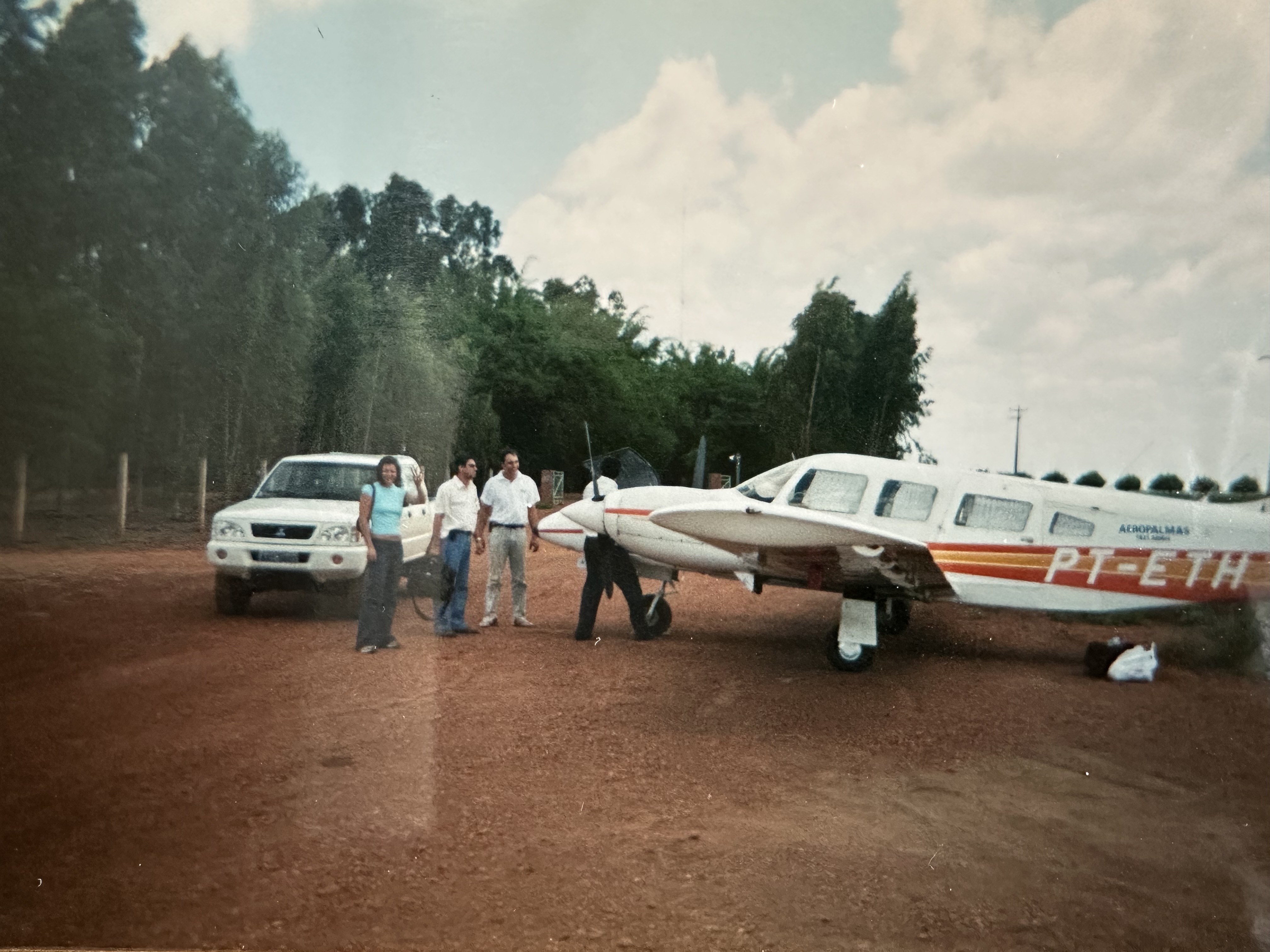
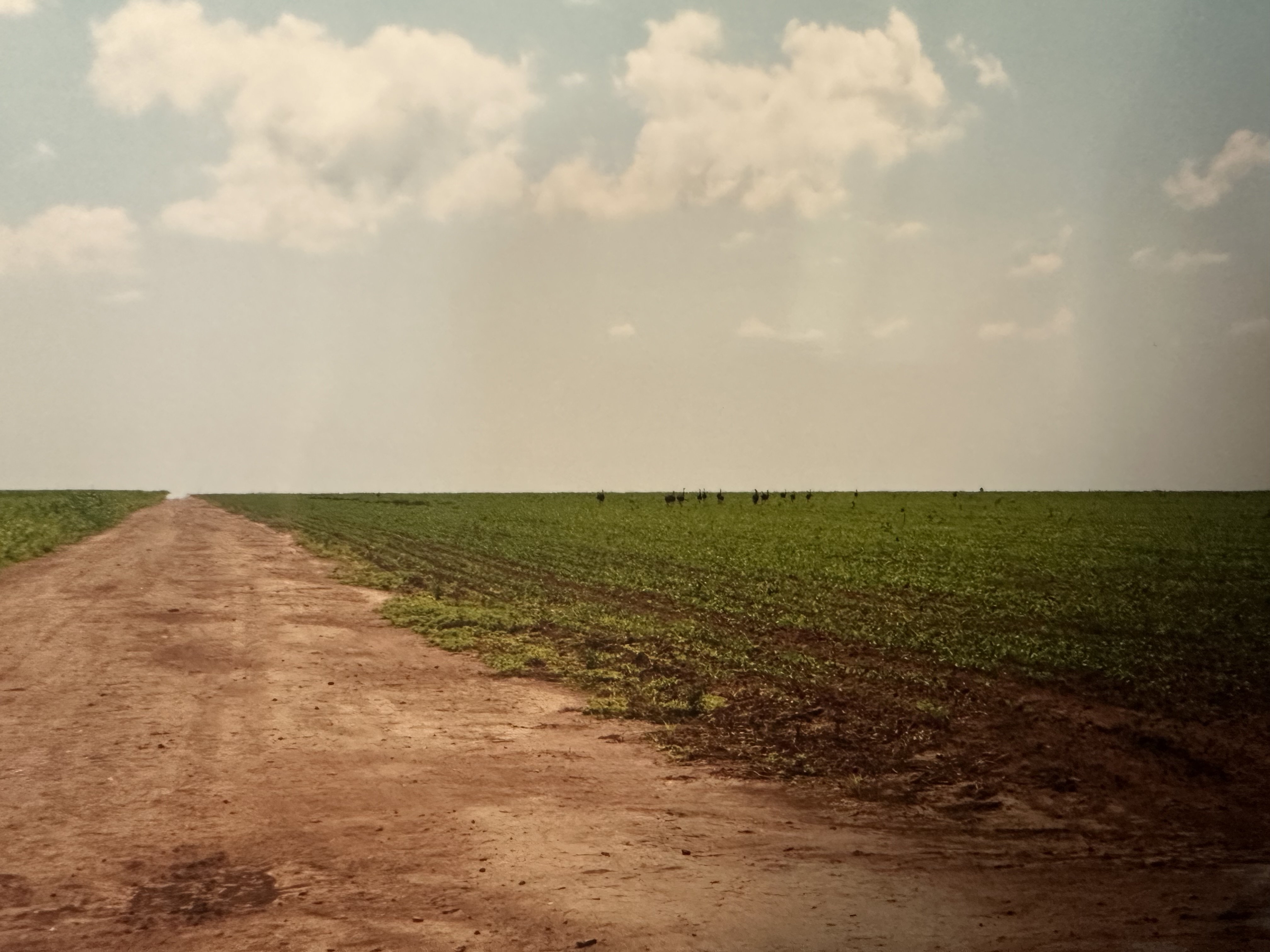
“I went on these little planes in the Amazon forest, where farms were made by burning the forest and putting cattle on it, to get it ready for soybean production,” she says. This was before cellphones had cameras, but Wendy vividly recalls the Cessna hopping between the rainforest and new farms, and the white-skinned southern Brazilian farm owners who built villages for brown-skinned farmworkers on ground they’d claimed for commodity agriculture.
Wendy spent 18 years elsewhere, mostly in Los Angeles working in the fashion industry. When her grandmother died, she felt called to reconnect to the land and to farm for food—an uncommon impulse in Iowa’s heavily corn and soy-dominated landscape.
For the first four years on the farm, Wendy and her partner Johnny focused on educating themselves. “My dad was my mentor, and I was really learning all about agriculture from a very basic level,” Wendy says. She took courses with Iowa State Extension and attended field days led by farmers and facilitated by Practical Farmers of Iowa, figuring out what she wanted to do. She worked with MOSES, now Marbleseed, participating in their mentoring program.
Her father had a small flock of sheep “to clean up spilled grain on the farm”—that served as her introduction to livestock, so it was natural to start out with sheep when Jóia officially began in 2014.
Wendy ended up serving on the board of Practical Farmers of Iowa, and Jóia became a host for field days and farmer socials. At one of these gatherings, a woman from town said, “organic is great and local food is great, but it's not going to feed the world.” The statement stuck with Wendy.
“I remember that conversation and I think there's been so much momentum in the last decade. Now we—as a food community, nonprofits, and groups—are more aligned in our desires to see a more regenerative agriculture,” Wendy says. She is inclusive in using that phrasing, seeing it as guided by Indigenous principles, advanced in the “back to the land era” of the 70’s and its commitment to farm more with nature.

Her optimism drives her explorations, which include planting Kernza®, The Land Institute’s flagship perennial grain crop, harmonious with pasturing sheep and cattle. Preventing erosion was also top of mind, following severe rain events in 2016 and 2018 that washed away soil around annual crops on the family’s farm.
“Iowa is losing topsoil every year, and soil takes a thousand years to develop,” Wendy said in a talk last year, showing images of soil around Kernza roots so rich and dark it was like chocolate cake. Kernza's deep roots mean holding soil and also withstanding extreme water conditions—a drought in 2023 saw 12 inches of rain the whole year, and in 2024 the same field withstood 12 inches in a single month.
Jóia, like some farms currently growing Kernza, is part of Perennial Promise Growers’ Cooperative along with 30 farmer members across 8 states. Their first year’s harvest was transitional, not organic, and they’re still selling some of that crop. The certified organic harvest was easier to sell through the co-op, but markets are always challenging. The farm is two and a half hours from any major city, limiting processors and producers in a good driving range.
Jóia’s Kernza is for sale as whole berries and as ground grain through fellow AGC member Baker’s Field Flour & Bread, while Lakewinds Food Co-op has Jóia Kernza flour and whole grain Kernza on its shelves.
Jóia has 130 sheep and 20 cows on 130 acres. The wool is sold to a company Wendy started in 2020 called Jóia Sleep that makes mattress toppers, comforters, and pillows. Wendy and Johnny offer their meat and flour for sale online with a range of other offerings, aggregating products from nearby farms.
On her family’s 1,000 acres of conventionally grown corn and soy, Wendy has more opportunities for experimentation. “We noticed when we integrated small grains into our corn and soybean rotation, weed control in those following years was better,” Wendy says.
Small grains, cover crops and livestock are inherently well-suited to one another, Wendy says. In the time she’s been farming she’s seen how each helps the other, and is excited about a new project studying 250 acres long term, looking at small grain integration with cover crops and grazing intensively.

Jóia Food and Fiber Farm are active members of AGC, and appreciative of the many ways the network quietly but firmly laces together so many in the grain value chain. "I have learned so much from AGC members as we navigate direct marketing grains and I’ve made many new friends that I admire and respect deeply."
Wendy’s commitment to agricultural change has put her in the public eye. The farm received the 2024 Aldo Leopold Conservation Award in Iowa, and Wendy hit Grist magazine’s 2024 list of 50 climate leaders to watch. She delivered a keynote at the 2025 OGRAIN conference, was in the documentary Kiss the Ground, and a short from National Geographic: The Farmers regenerating the soil of America's heartland. Wendy has an essay in the forthcoming book, Living Roots: The Promise of Perennial Foods and will keynote at Savanna Institute's upcoming Perennial Farm Gathering March 11-13, where several other AGC members will also be presenting content.
Check out more from Wendy in this radio interview and this discussion about Kernza.