
An Ohio organic farm with deep roots in both growing and handling food

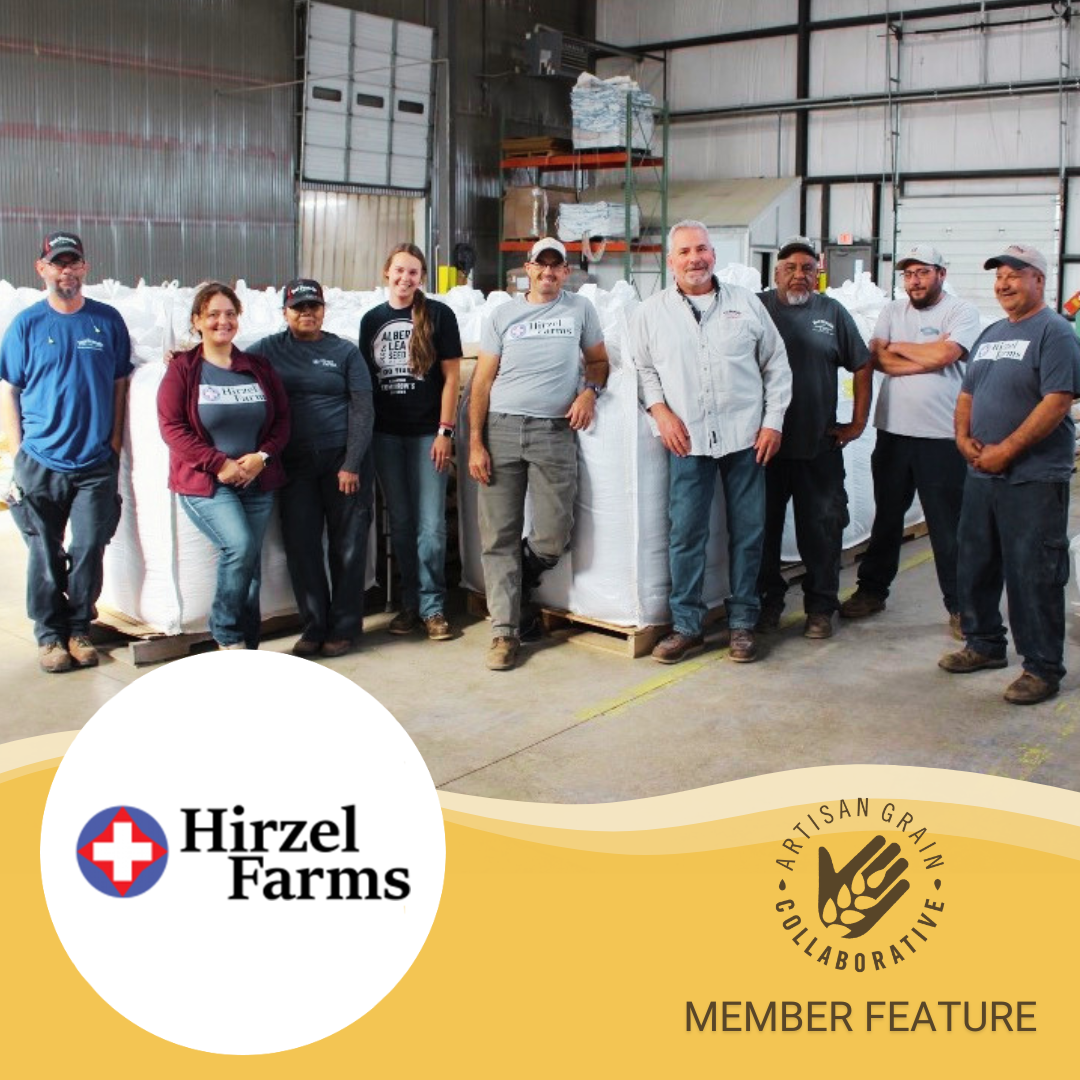
In Northwestern Ohio, Hirzel Farms has a long history. The 1,300-acre farm grows organic crops and cover crop seeds, and has capacity to clean their own and other organic grains; their food-grade handling facility serves many farms in the area. The farm also grows tomatoes and cabbages, acting as research and development arm for its parent organization, the Hirzel Canning Company.
The farm has eleven year-round, full-time employees, and brings on four people seasonally through the H-2A program. Crop rotations include red clover, corn, soybeans and small grains, everything from Turkey Red to the new Bickford bread wheat. A bit of sunflowers are grown too, for pressing into cooking oils. None of this would have happened without a major career shift in 1920 for Swiss-born Carl Hirzel, a microbiologist who was helping breweries in western New York, Pennsylvania, and Winnipeg to control bacteria in their facilities.
“When bacteria got into a brewery, it would cause something called flat sours, which basically crippled the entire brewery, and my great-grandfather was hired to fix it,” said Lou Kozma, Jr., current president of the farm. “Once prohibition came in, he wouldn’t work for the crooks. He was ready to leave the country, but cousins around Toledo convinced him to buy a farm.”

The scientist taught himself to grow food on the 80-acre homestead. There were orchards, and he planted early and late cabbages and potatoes, as well as strawberries and tomatoes. In 1922, an abundant cabbage crop was made into sauerkraut right in the basement. Since understanding bacterial interplays is key to food preservation, the canning company took off.
This was not unique in the area. At the turn of the 20th century, the region’s agricultural assets met the shipping routes head on, spurring robust farm and food enterprises in Northwest Ohio and Southeast Michigan. Farmers delivered their crops at peak ripeness by horse and cart, so Heinz, Campbell’s, and other operations planted themselves right where food was being grown.
Hirzel Canning Company joined this hive of activity, eventually naming its brand Dei Fratelli. Hirzel Farms still grows tomatoes for the canning company, and coordinates trials to test out varieties and Integrated Pest Management practices to guide the nearly 40 other farmers that grow vegetables for the plant. While Heinz’s largest ketchup plant is still running nearby, that product is made from tomato paste that arrives by rail. Only two canning plants besides Hirzel are still in the region and using local produce—even though the same advantages remain.
“Once you get out of the Great Lakes area, shipping becomes very expensive because it's too far from the population. We're in a very strategic area, within nine hours of two-thirds of the population,” Lou said. They’re seeing expansion in farming and processing every year.
Between the farm and the canning company, 14 family members are involved, from the fourth and fifth generation. The businesses separated because of labor laws in the 1960s, but the enterprises piggy-back on one another, stretching to fit the needs of farmers and food production in the area.
The farm’s focus on organic grain production and processing has served them and the surrounding area very well. Lou credits his Uncle John with the decision to grow organically: as Round Up became available, he decided to focus on soil health. He got into cover crops and experimented with ways to reduce tillage. Hirzel Farms worked with postdocs in organic and sustainable agriculture and kept 100 acres continuously in trials because there was no literature on how to farm organically.
“The decision wasn't based on economics, that's for sure, because there were no organic markets,” Lou said. He remembers seeing their specially grown crops lined up with other trucks at the elevator and sold at conventional prices. That was the only place to sell them.

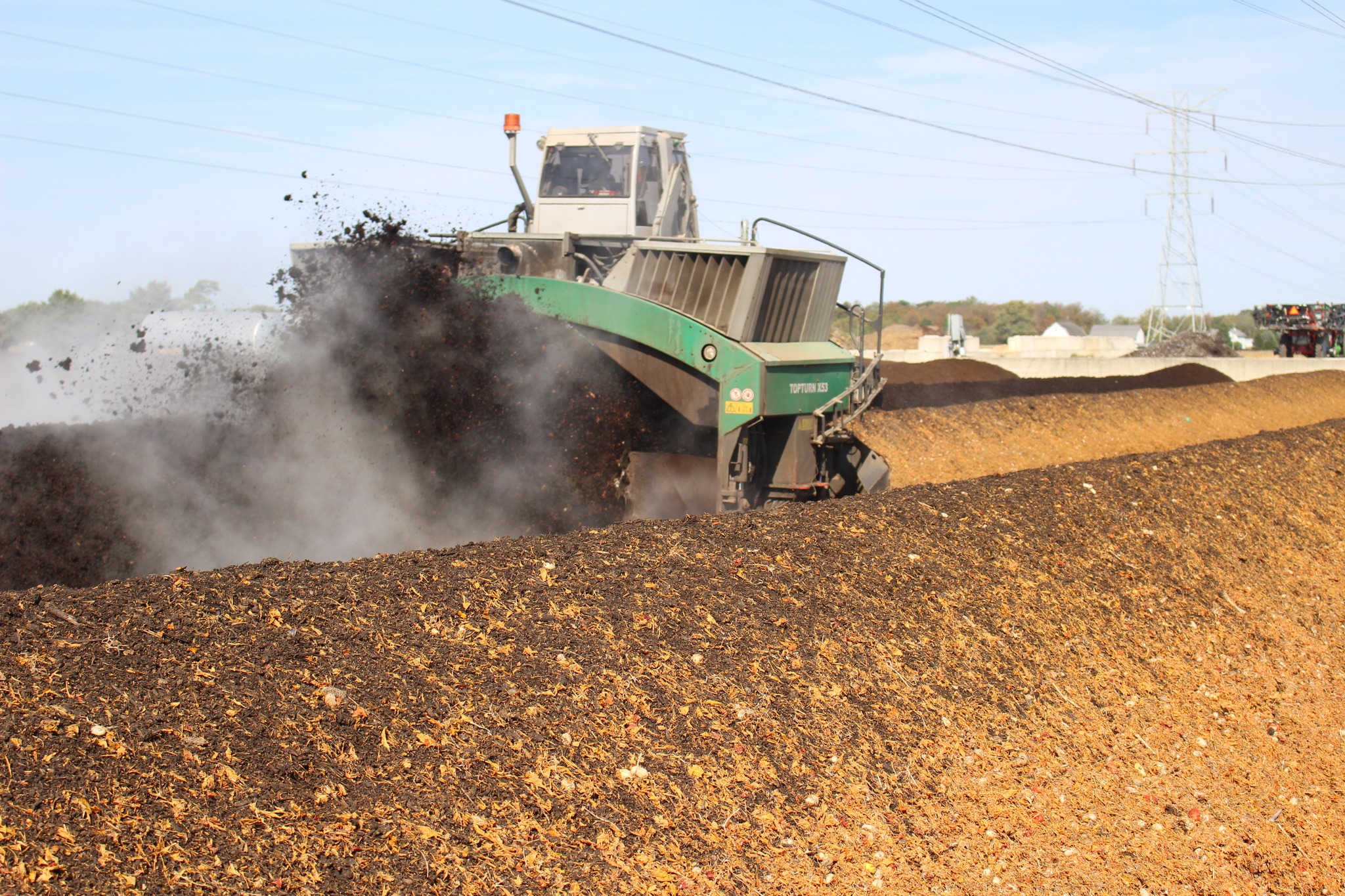
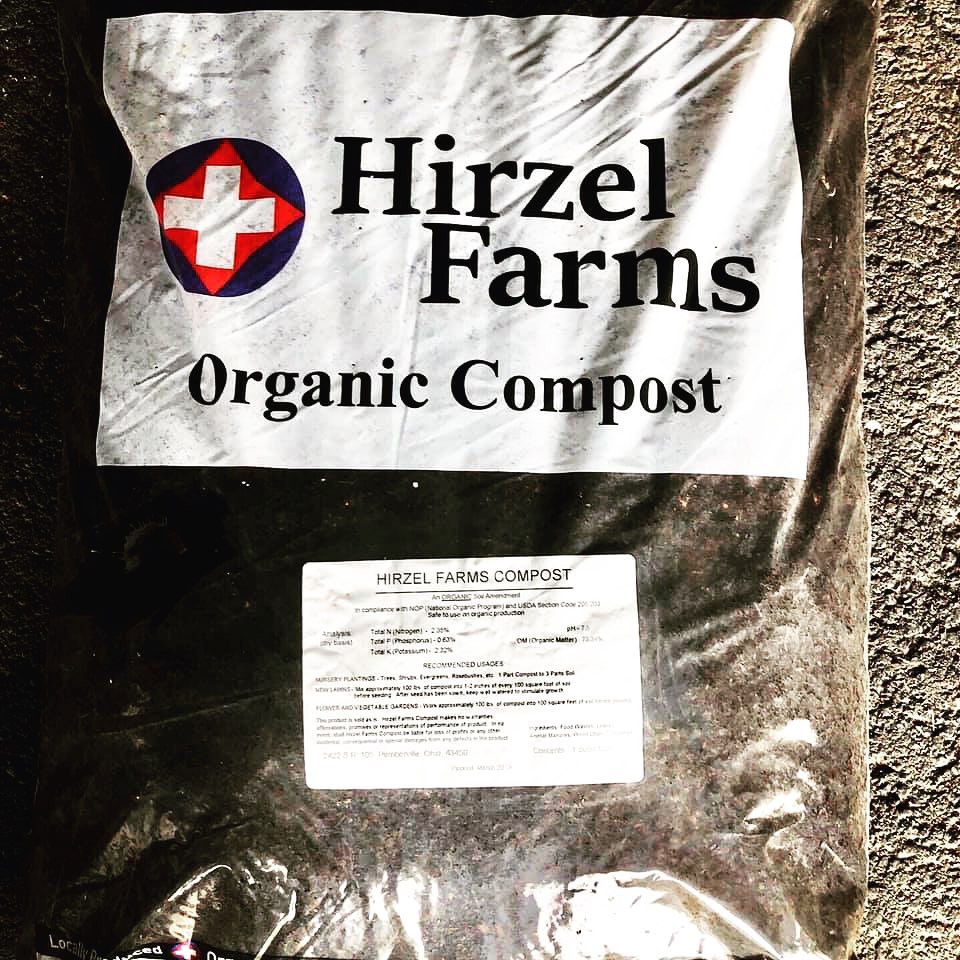
Connecting with Eden Foods in Clinton, Michigan for their soy milk and selling soybeans to Japan with a handful of other organic growers opened up markets. It opened up other opportunities, too, because they identified a need for grain cleaning and handling.
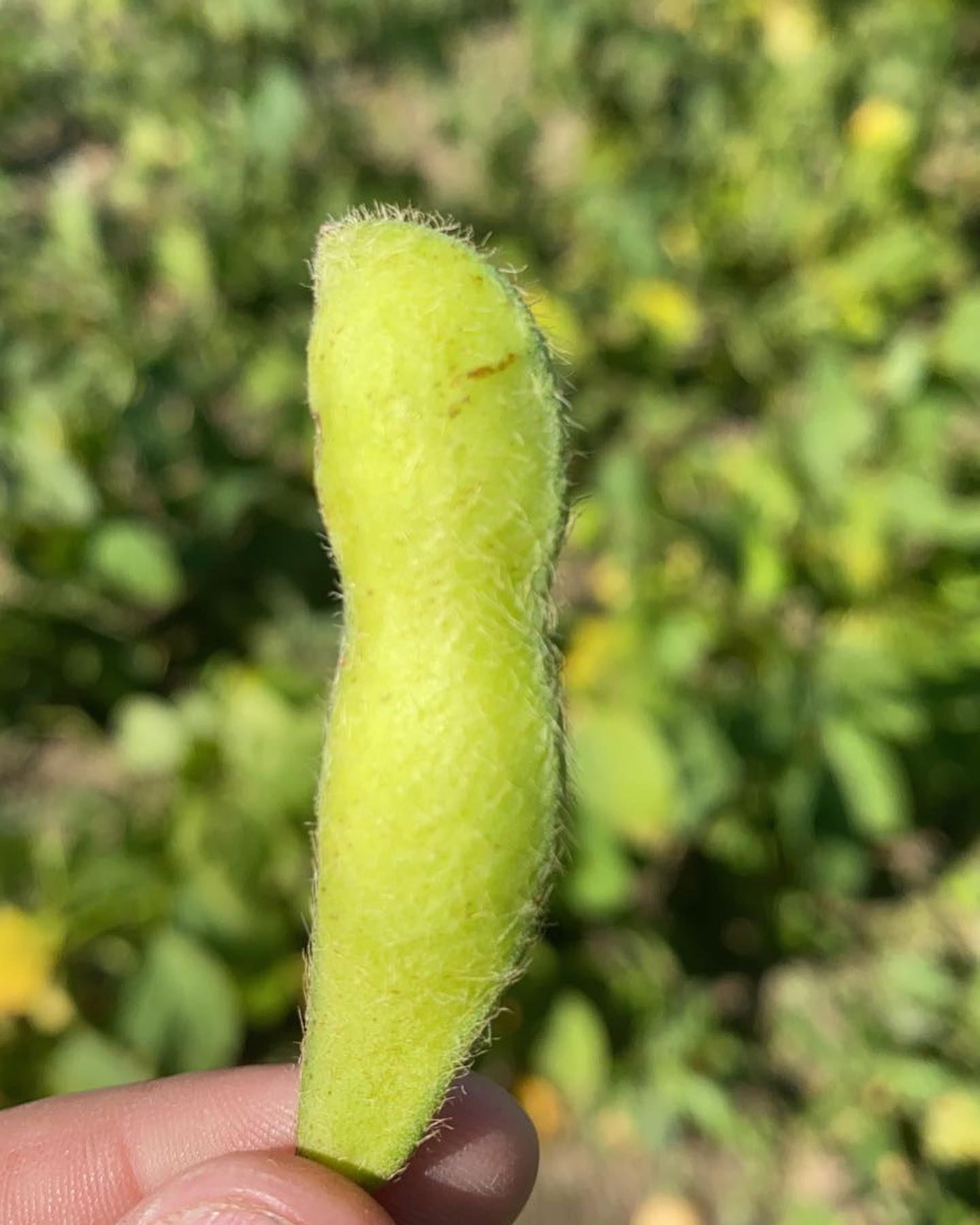
Initially, Hirzel Farms invested in equipment to clean cover-crop seed in the early 1980s. Next, they started cleaning—and color sorting—soybeans. When spelt became popular in the early 2000s, a grower approached them and said he could get a better price if the spelt was dehulled; they added a dehuller to their lineup. With close to 1,500 acres of spelt grown in the area, they helped this crop develop a foothold in food-grade markets, which are considerably more profitable than the feed-grade options where the hulled spelt had previously been sold.
“There's always an intermediary step to do the preparation for the final producer. Since we were already in food processing, we could speak the language of both parties,” Lou said. “We can worry about getting a field-run product to a standard that matches what the buyer wants.

Hirzel Farms provides broad and close-up perspectives, and sees the big picture of a crop, from seed to final user. Being a part of AGC has helped them know bakers and millers, and better understand everyone’s needs, upstream and downstream. Bridget Burgess, Hirzel Farms’ Grain, Seed & Compost Sales Representative, has been the company’s liaison with AGC, and appreciates being a part of conversations and work. Both Lou and Bridget appreciate AGC’s capacity to amplify what people do along the grain chain as part of rebuilding local and regional markets.
AGC is appreciative of having Hirzel Farms in our circuits. The imagination and experience of this farm, and of Hirzel Canning Company, has much to lend our network!
