Michigan farm strives for harmony with the land and all creatures while telling the story behind the food.
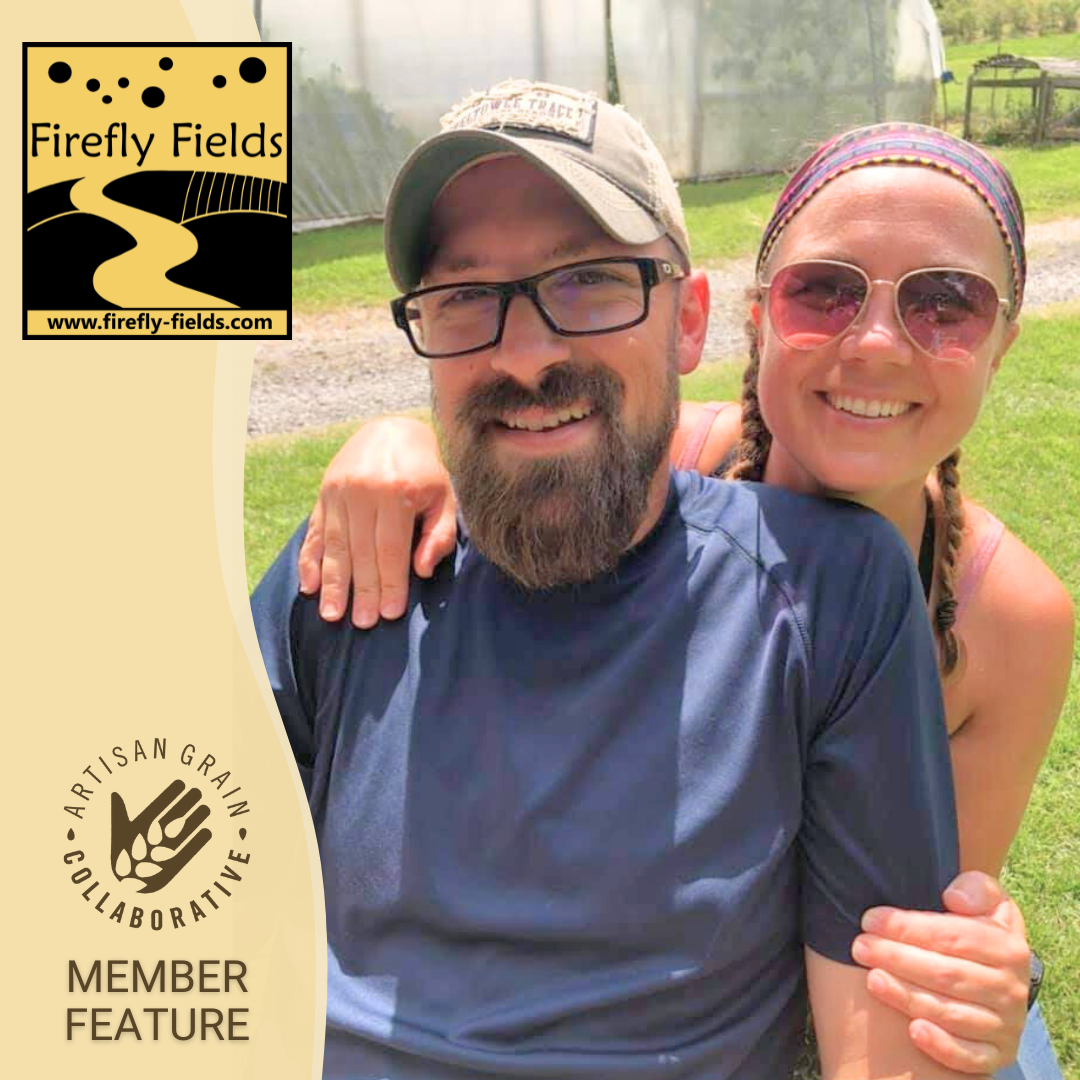
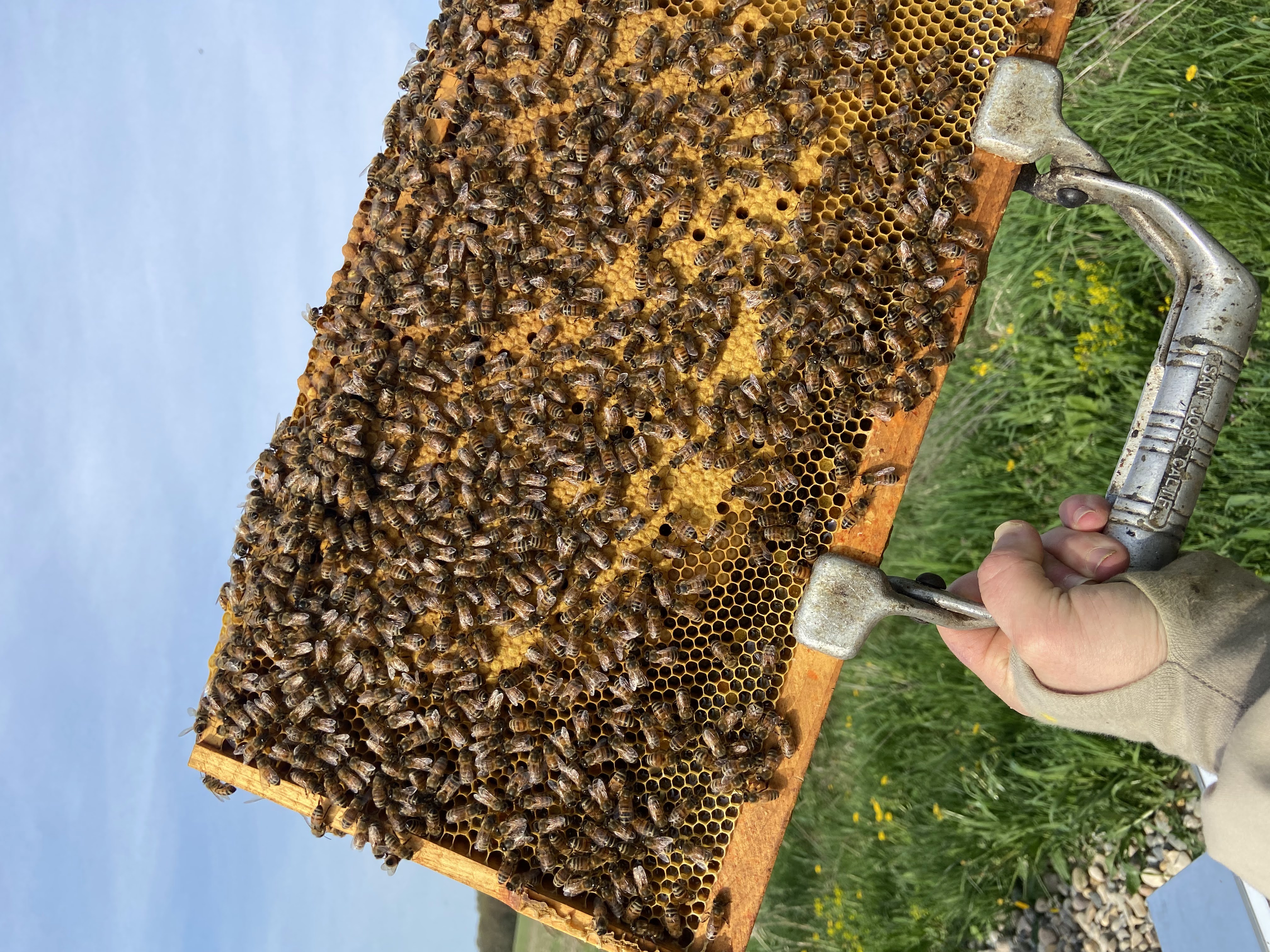
Virginia Bolshakova and Benjamin Reinhart run Firefly Fields in southwestern Michigan, offering food from their third generation, USDA Certified Organic and Bee Friendly Certified farm.
The couple met while working at Purdue University and soon started keeping bees on Virginia’s parents' farm. Ben grew up in Indiana, and the two wanted to return to their agricultural roots, so in 2017 they started planning.
“Both of us went to school and studied things associated with the land and managing it and all the creatures,” Virginia says. “We were envisioning how we could contribute and keep some continuity going (at my family’s farm).”
Firefly Fields is what grew out of that visioning, a way to utilize and market food from Archie and Mattie Jennings’ 400-acre farm, where Virginia was born and raised. Ben and Virginia relocated to the area, buying 40-acres nearby, and launched Firefly Fields in 2018, engaging with customers at farmers’ markets, building a website, and much more.
That more represents an expansive space for sharing the story of the food. “We wanted people to know what's behind the food, and how to use these raw base ingredients and turn them into something delicious and wonderful,” says Virginia.
Their website’s “Kitchen” page is a view into their home, and some of her family recipes, which her mother Mattie used to give to customers as she sold grains and flour at farmers’ markets beginning in 2003. It’s also a space for others in their lives to share their favorite recipes, like Norah Ylang’s tempeh, which uses Firefly Fields organic soybeans. “We are building community around these diverse foods that are grown on this single-family farm,” says Virginia.
Just as Virginia and Ben’s concept of land includes more than soil and plants, their concept of the farm is broad, too, encompassing the many people and interactions involved from field to table. Their website shares the history of the Jennings farm, and the incredible grit that made it possible – such as 100 sick pigs and a bank that took a big leap.
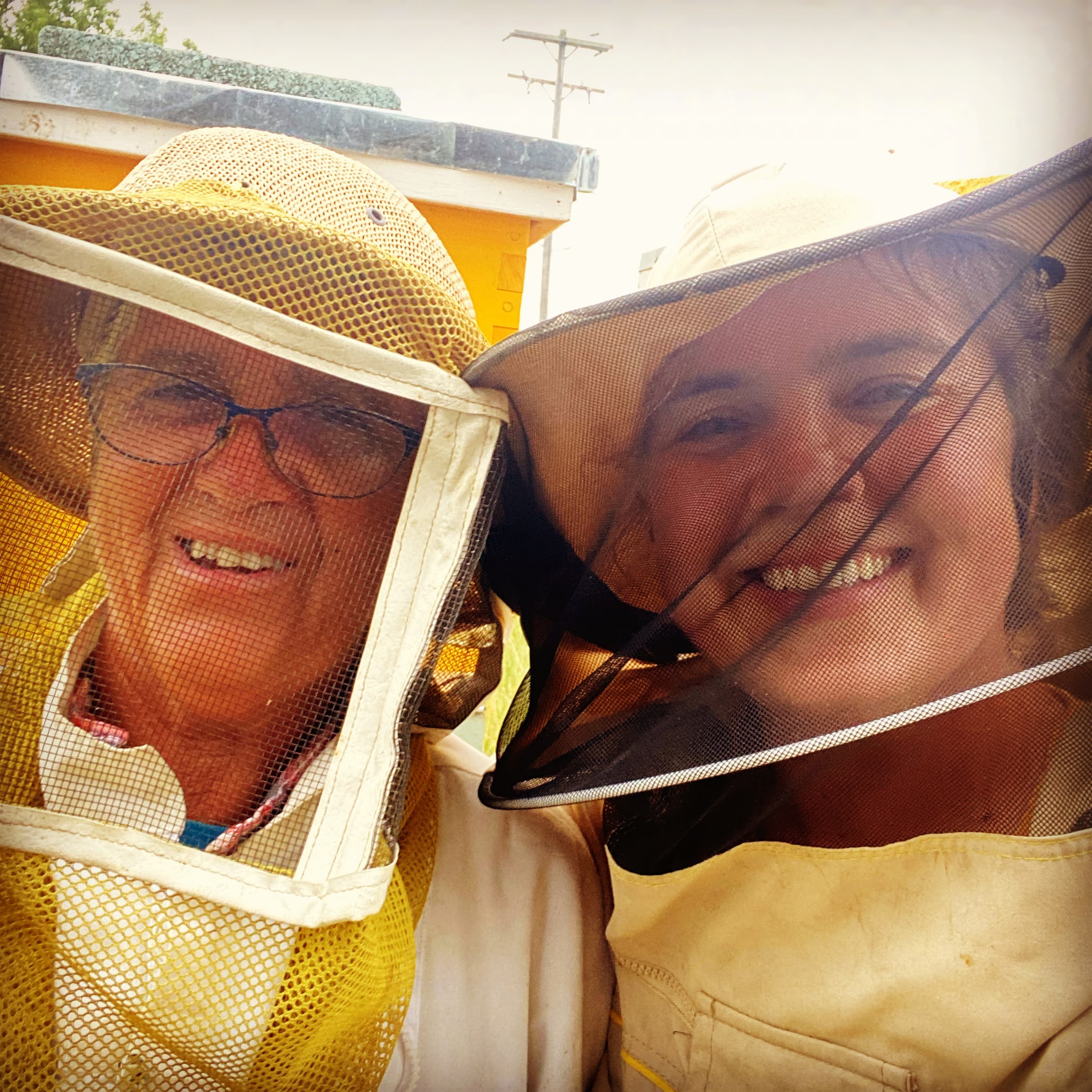
Spoiler alert: they know how to pivot! Take the story of 2019, their banner year of buckwheat honey, when two rounds of bean plantings were rained out…so they, and surrounding farmers, turned to buckwheat. The impact on that season’s buckwheat honey —the dark, shimmering and nearly metallic liquid that people love or loathe—was profound, and revealed just how integrated honey and bees are with the plants nearby.
The Jennings Farm began in 1979 and focused on raising pigs until 1992, when they sold all 3,000 animals and shifted to crop farming. They were early adopters of organics, starting their certification process in 2001. In 2014 they added cattle, and 2018, became Bee Friendly Certified. Firefly Fields markets just a portion of what is grown on the big farm; since small grains are a volume crop, much of their grain is sold in bulk to commodity markets.
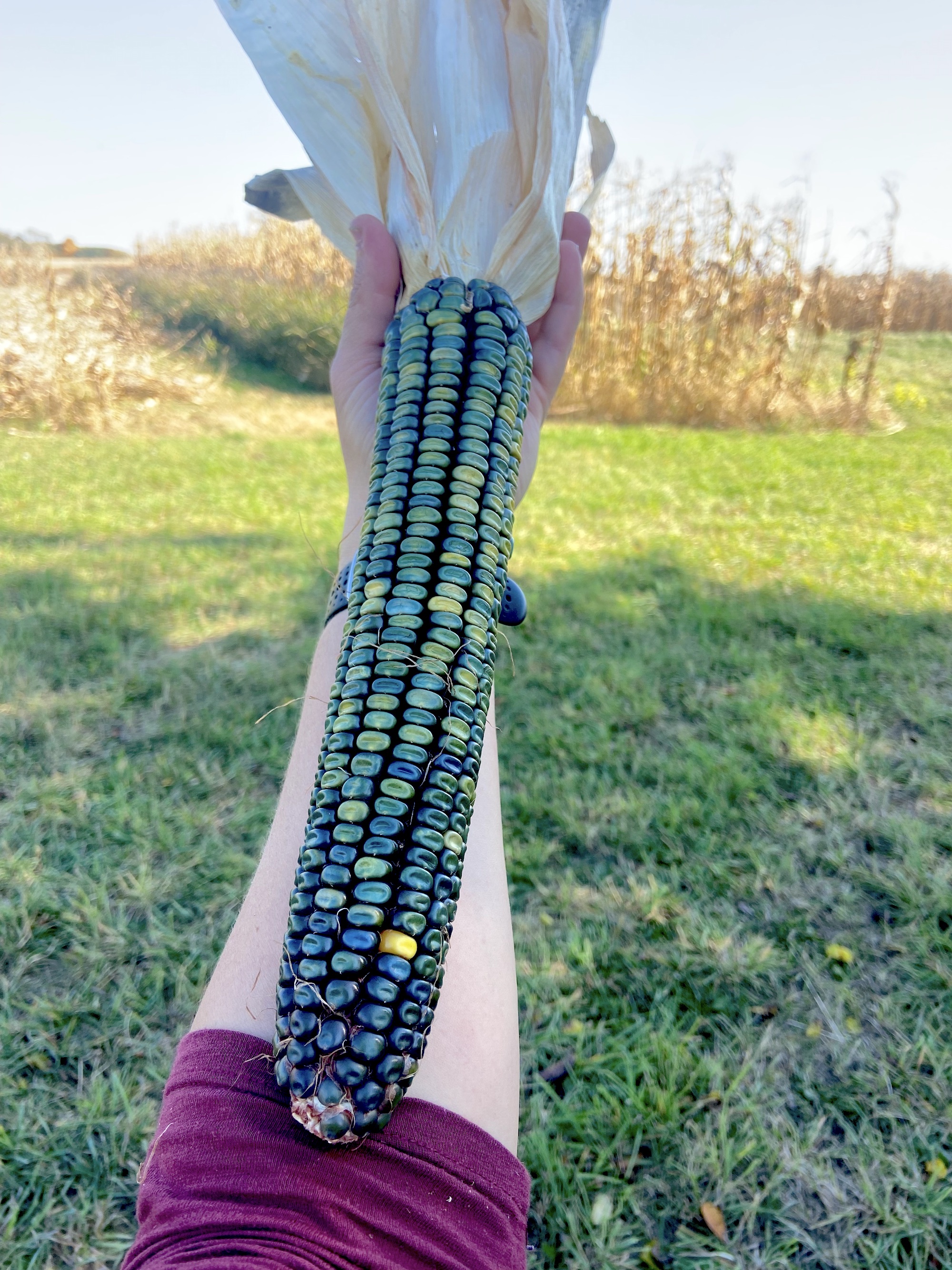
Winter-planted hard red wheat and spelt are their mainstay crops, with occasional spring wheat plantings. Buckwheat is regularly planted, for bees and honey, and for its rotational and field cleaning capacities. Ben plants trial plots on 10 acres at their home farm, trying out sorghum, amaranth, quinoa, and heirloom varieties of corn and dry beans to see how they might cycle onto the larger farm.
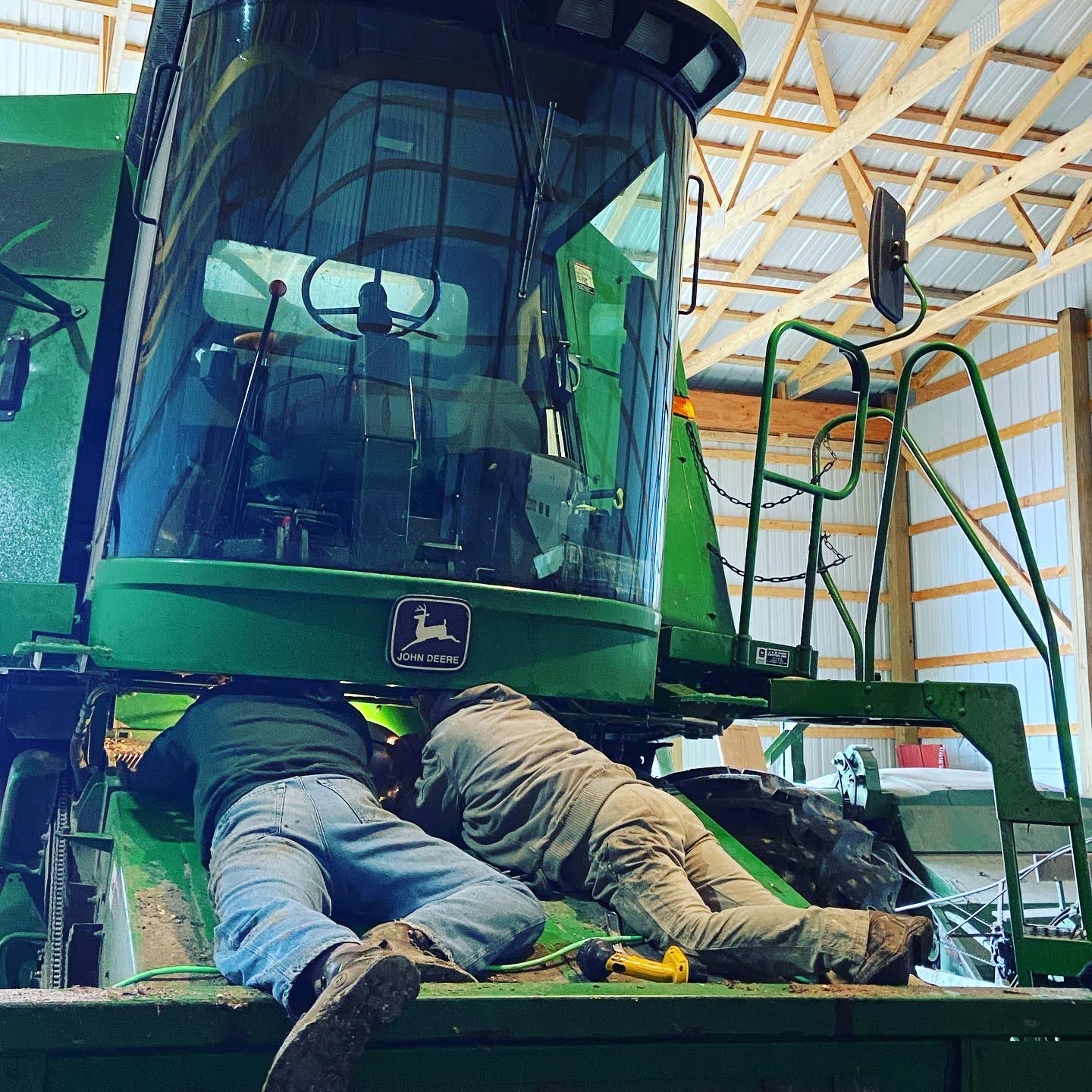
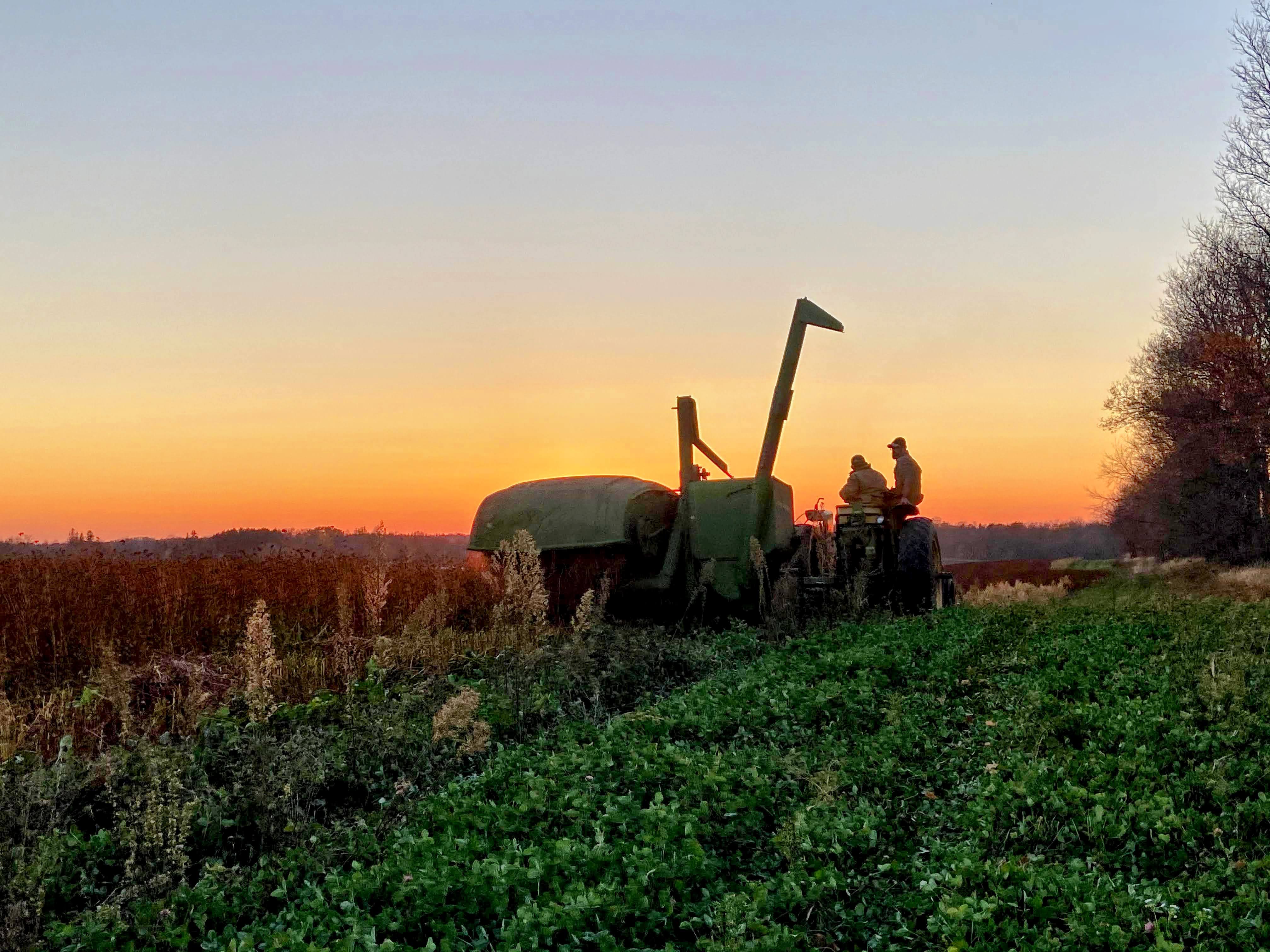
“We've done oats a little bit in our rotations, and this year we’ll try to do the hulless food grade oats this year,” says Ben. He can use the 6 row and 12 row equipment – cultivators and rotary tine weeders that the Jennings use and the bigger combines for harvest. He uses a small John Deere 30 pull type combine for some of the small crops, and has other equipment specific to their small-scale food grade endeavors, like a woodchipper Ben modified to handle beans, recently replaced by a two-row picker-sheller.
The farm does first pass cleaning onsite, but turns to other processors for more detailed machines like gravity tables and color sorters. They do have storage and can dry crops right on the farm.
Often, farmers must drive great distances for cleaning and handling services, but Firefly Fields is not in that position. They partner with nearby Michigan Crop Improvement Association for processing and seed sourcing. AGC member Carl Wagner of C3 Seeds is also close; he and fellow dry bean grower Kevin Messing of Sheridan Acres Farm are great peers to brainstorm with.
Virginia and Ben say that the networking and social aspects of AGC are really useful, from generally associating with peers in the niche corners of value-added grains, to special events that foster collaboration and cooperation. Ben attended a milling course at the Northern Crops Institute in Fargo, North Dakota with a cohort of AGC members in 2024, and still reaches out to folks in that group.
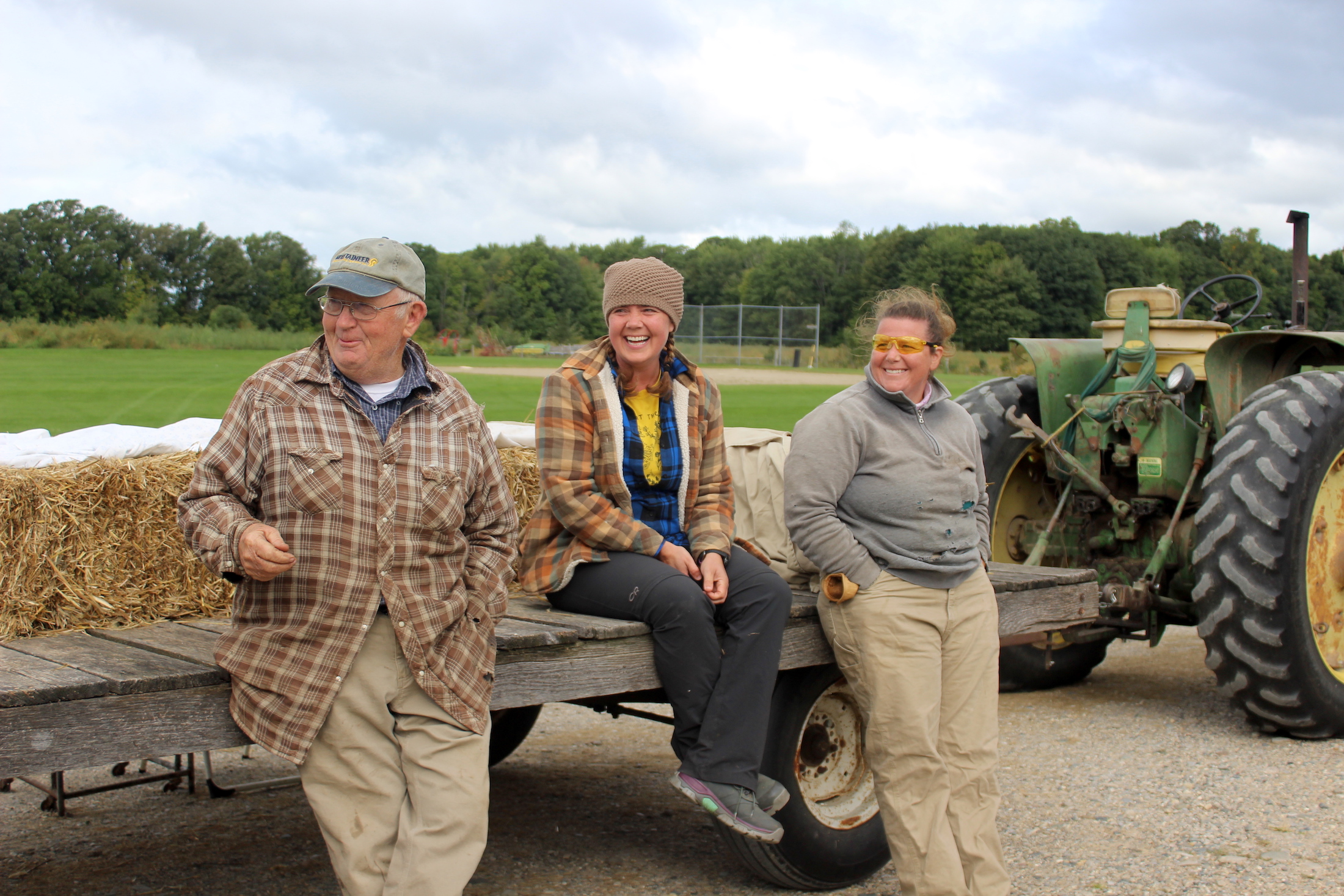
This experience is in stark contrast to the way Virginia’s parents began their milling. Her father Archie, aka the Archman in ‘farmily’ terms, restored a burr mill from West Virginia, one he thought might have been used to make corn mash for moonshine during Prohibition. The Jennings figured things out largely on their own, and invited farmers’ market customers, taste by taste, recipe by recipe, into experiencing freshly milled whole grains. Her parents created their own community out of necessity, and Virginia and Ben enjoy building on that, especially with the help of AGC.
Ben and Virginia both work off-farm and feel blessed that their jobs align with their agricultural and environmental impulses. Ben designs agricultural drainage systems, and he’s on the board of their county Soil and Water District. Virginia directs Pierce Cedar Creek Institute, working for preservation of wetlands, wild lands, and working lands. This nature center and organization did not exist when Virginia left for college, and now, as an ecologist she has work in her home county, Barry County, that complement her pursuits on the family farm.
Virginia and fellow AGC member Julie Doll of Michigan Agriculture Advancement teamed up last year with Catherine Getty of B. Healthy Barry County to lead a pair of farm-to-table dinners, The Feast of Home. The meals featured local growers, farmers, and food makers, serving supper at long tables. Virginia beams as she recounts these events, which also featured local speakers.
“Having community to inspire you and share ideas, it just keeps you lifted and buoyed, you know, to get through times together,” Virginia says. AGC is charmed to be a part of this energy with Firefly Fields.