A new kind of local grocer in Cincinnati
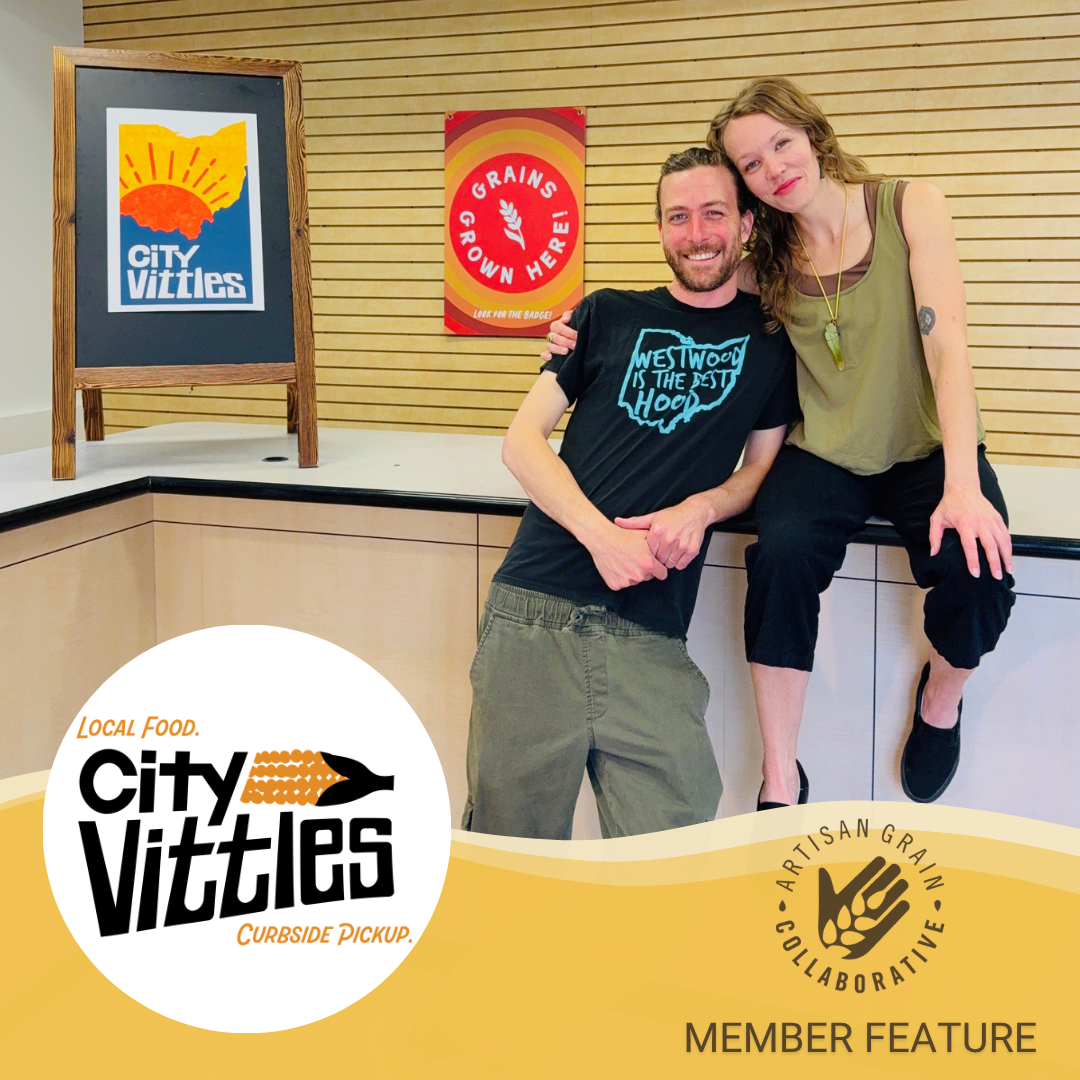
City Vittles is a brand new grocery in Cincinnati focused on Ohio foods. Erik and Allison Larsson are bringing regional grains and other local foods to the city through their new brick-and-mortar location, which operates more like a general store than a modern grocery. Customers order their food online, and Erik and Allison are the clerks packing orders and handing them over at pick-up time.
“I started at Trader Joe's when I got out of high school, and really enjoyed interacting with people who are excited about food,” says Erik. For ten years, he worked with the company, leaving in early 2020. Working from home during COVID-19 was convenient for welcoming two children into their family, but Erik missed interacting with people around food. He dreamed of starting a grocery store, and he wanted to do it differently.
The solution came to life through a mini-grant program that sought to better Cincinnati neighborhoods. Erik and Allison applied to start a farmers’ market, explaining that “This would be a good way for us to begin meeting the customers in our area, and to find vendors and producers in our region, and start to build connections between the two,” says Erik.
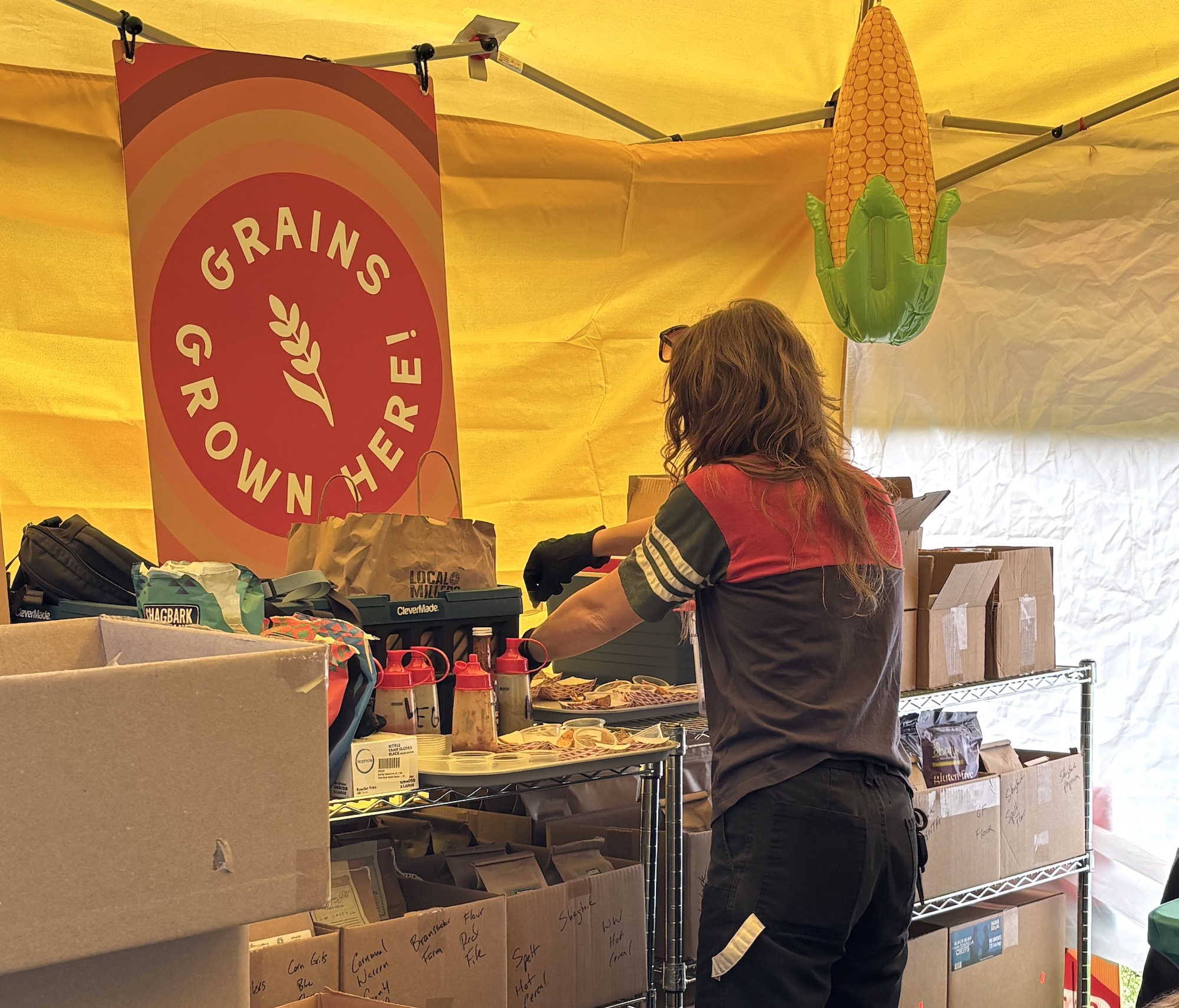
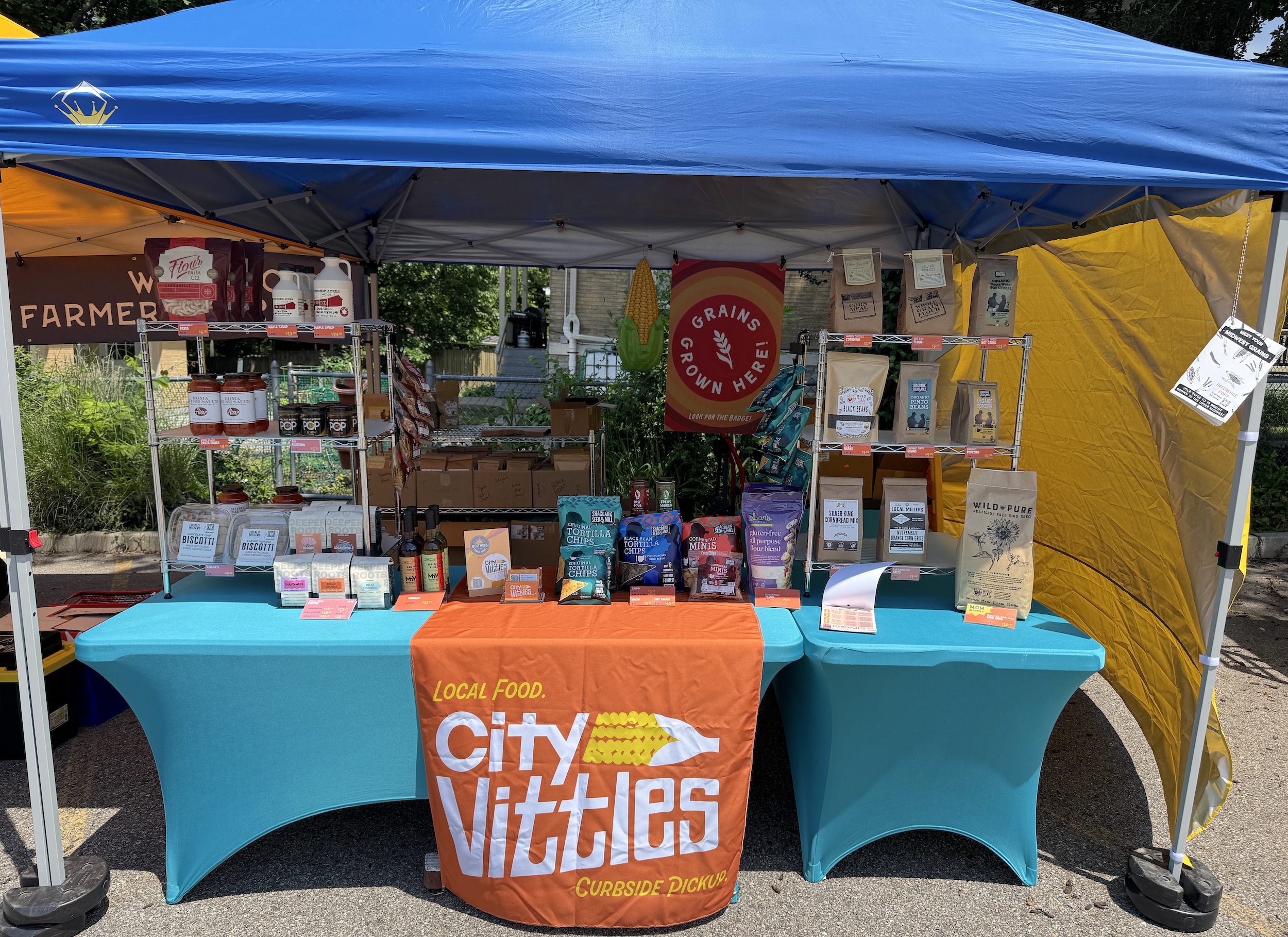
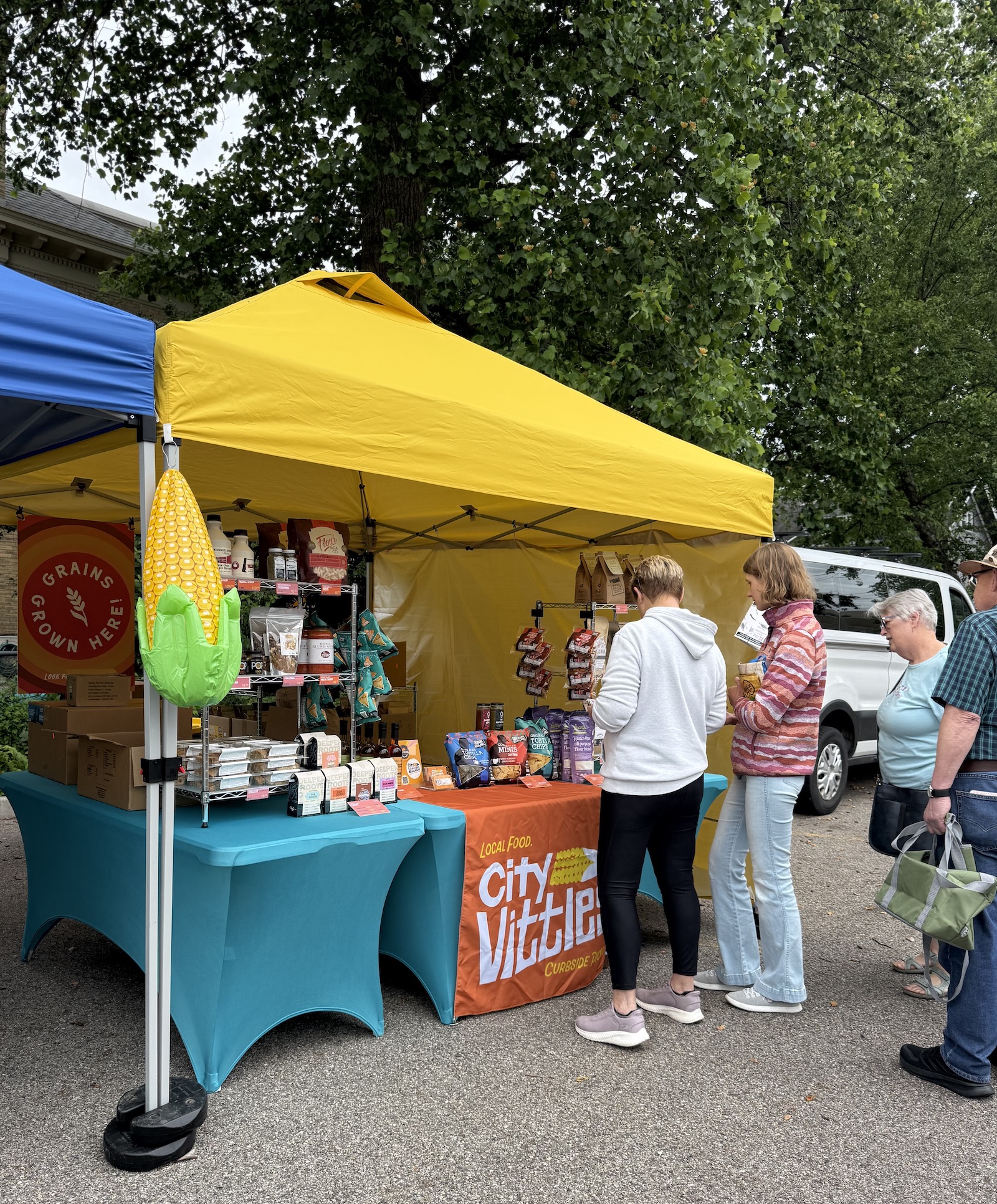
What became the Westwood Farmers’ Market serves an area that has plenty of fast and convenience foods. A lot of people were excited to have this alternative, and soon, Erik saw the gap in staples at the market. To meet that need, he started the City Vittles booth—a pantry booth of grains and shelf-stable foods all made in Ohio.

After starting the Westwood Market booth two years ago, Erik realized that a regional grain booth could benefit many other farmers' markets in the Cincinnati area.The idea came from fellow AGC member Michelle Ajamian of Shagbark Seed & Mill, who told Erik of GROW NYC’s Grain Stand, which aggregated grains, beans, and flours from farms in a broad radius around New York City.
Michelle proposed that he run a booth stocking grains from a variety of local providers, and he started cooking up the concept, talking with Doris Bozzi of Local Millers, Tim Schacht of Ohio Till Farmstead, and Jon Branstrator of Branstrator Farm, and pitching the idea to a couple markets. Third party sales are often discouraged at farmers markets, which limited their ability to grow in that direction. Instead, he and Allison fleshed out the model at their own farmers’ market, Westwood, and started envisioning another pathway.
“Grains grow really well here in Ohio and they're also shelf stable products,” says Erik. He visits farmers to hear news of the crops and the land. Delivering such information to customers is a part of how he views his job as a retailer, and he’s glad to have it straight from the source. Erik knows that he’s distributing more than food.

Literacy about using regional grains and flours is not common knowledge, and City Vittles is glad for the materials that AGC provides, such as through the Grains Grown Here campaign.
“I can tell when a shopper is first buying whole grain flour. I know it is not going to turn out the way they want if they put 100% of that into their recipe, which was previously using white flour,” says Erik. AGC's Cooking Tips and Grain Zines advise swapping in one-fourth to one-half local, fresh flour in recipes to start. “That’s been an extremely valuable resource. It empowers my customers and lessens the hurdles to overcome for them to enjoy and integrate local grains into their life,” says Erik. He loves being able to talk about different farms and mills, the varieties of grains they use, and even types of mills and ways of sifting.
As they move these efforts and learnings into a year-round retail space, Erik and Allison know that limiting overhead will be critical to keeping prices low for customers. They’re planning popup events to activate the space, to carry the liveliness of a farmers’ market environment. Erik and Allison will bring in vendors and host community-focused conversations about food.
“I’d like people to spend more time cooking and less time shopping,” says Erik. As a grocer, this means skipping the over-abundance of a contemporary supermarket and the wastefulness involved, from damaging fragile produce in displays, to offering far too many choices.
“At supermarkets, I see many shelves of tortilla chips, and I think there's no way that 100 varieties can sell well or even provide the customer a good experience, just the perception of bounty,” says Erik.
AGC welcomes this very human innovation and digital solution for Ohio foods! If you’re in the area, check out their upcoming event on Saturday, October 17th in partnership with OEFFA, the Ohio Ecological Food and Farm Association. They’ll open up their space for a “Farm Food in the City Tour” of City Vittles, where they’ll talk about how they're bringing foods from across Ohio to their Cincinnati shoppers.